
Travel Like a Local in Morocco:
6 Authentic Experiences Every Visitor Should Try
Traveling isn’t just about visiting famous landmarks—it’s about experiencing a destination the way locals do. In Morocco, the real magic often lies beyond the typical tourist attractions. From wandering through centuries-old medinas to sharing a glass of traditional mint tea with locals, the country offers countless opportunities to connect with its rich culture and daily life.
For travelers who want more than photos and checklists, discovering authentic experiences can transform a simple trip into something truly memorable. Whether it’s tasting home-style cuisine, exploring vibrant markets, or staying in a traditional riad, there are many ways to see the country through a local perspective.
In this guide, we’ll explore six authentic experiences that can help you travel more deeply and discover the true spirit of this fascinating destination.
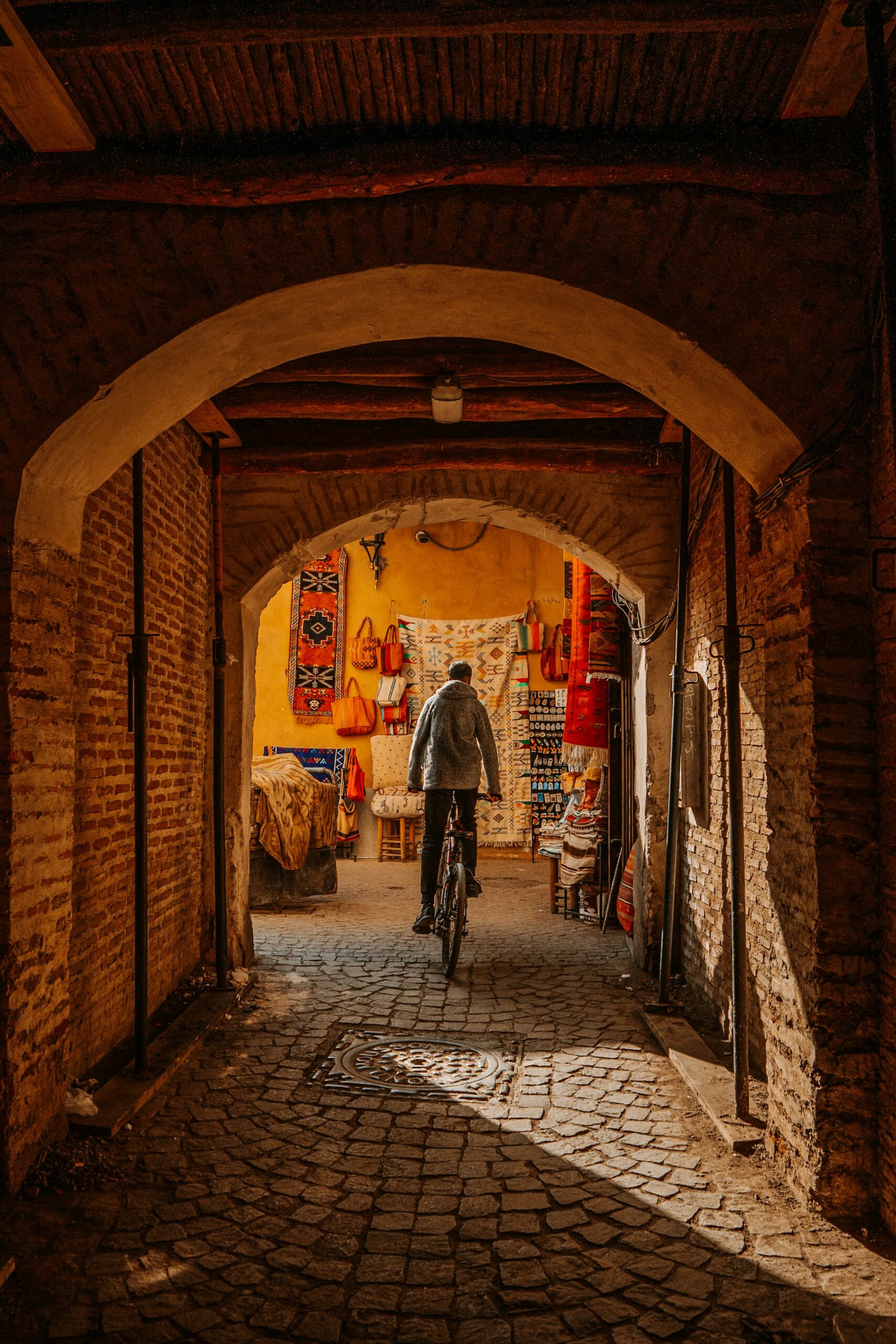
Wander Through the Historic Medinas
One of the most authentic ways to understand daily life is by exploring the historic medinas. These ancient city centers are filled with narrow alleys, traditional houses, and lively markets that have remained active for centuries.
In cities like Fes and Marrakech, the medina is much more than a tourist attraction—it’s a living environment where people work, shop, and gather every day. As you walk through the maze of streets, you’ll notice artisans carefully crafting leather goods, shopkeepers arranging colorful spices, and locals sharing conversations outside small cafés.
What makes these places fascinating is that every corner reveals something different. A quiet alley may suddenly lead to a vibrant souk filled with handmade crafts, traditional textiles, and the rich scents of local spices. Small bakeries prepare fresh bread while nearby workshops continue centuries-old craftsmanship.
Instead of rushing from one landmark to another, take time to observe these everyday moments. Slow walking allows travelers to notice details that many visitors miss—and this is often where the most memorable experiences begin. Sometimes, getting a little lost in the medina becomes the best way to discover the true character of the country.
Eat Where the Locals Eat: Discover Authentic Flavors
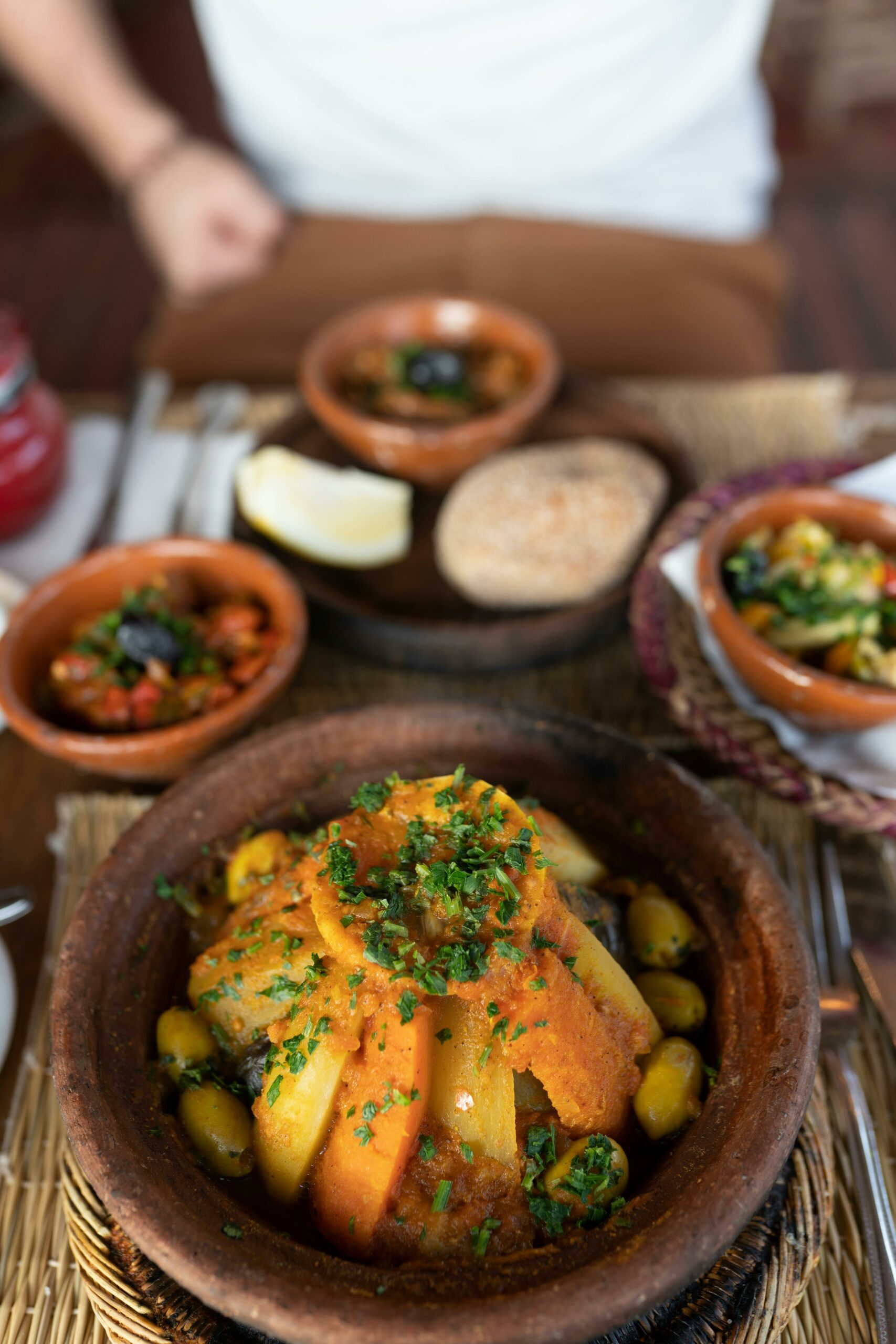
One of the most enjoyable ways to connect with local culture is through food. Instead of choosing only popular tourist restaurants, try visiting the small neighborhood eateries where residents gather for their daily meals. These simple places often serve dishes prepared with traditional recipes that have been passed down for generations.
In many cities such as Fes or Marrakech, food is not just about eating—it’s a social experience. Locals often share meals with family and friends, enjoying slow conversations over freshly prepared dishes and warm bread.
Traditional meals like Tagine, slowly cooked with vegetables and spices, or the famous Couscous served on Fridays, offer a delicious introduction to authentic cuisine. In many markets and small restaurants, you may also find comforting dishes such as Harira, a rich soup that is especially popular during evenings and special occasions.
For travelers seeking a deeper cultural experience, visiting local food stalls or small family-run restaurants can be surprisingly memorable. The aromas of spices, the sound of sizzling dishes, and the friendly atmosphere often make these moments as meaningful as visiting historic landmarks. Sometimes, the most authentic taste of a destination is found in the places where locals naturally choose to eat.
Stay in Traditional Riads
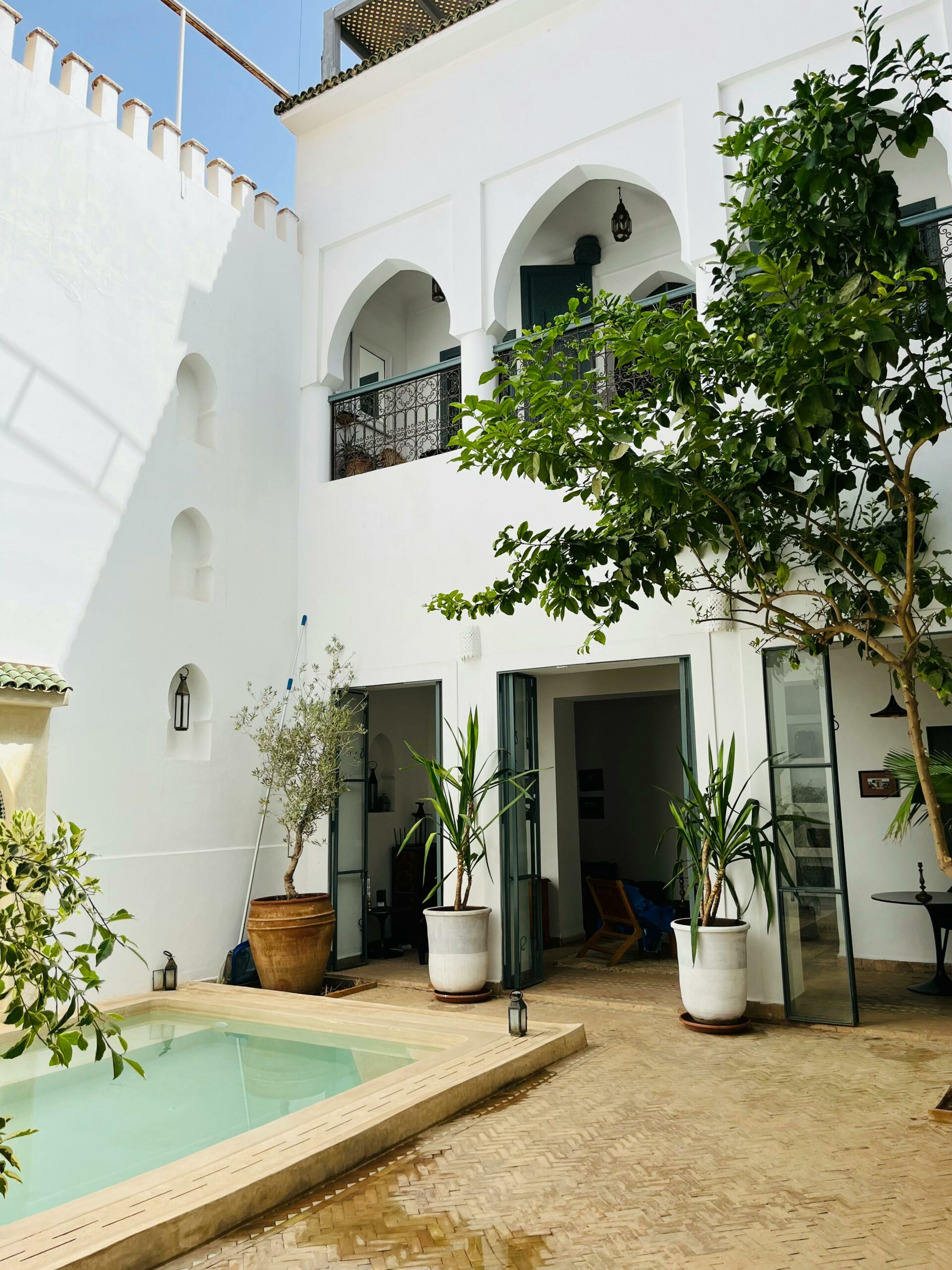
For travelers who want a more authentic experience, choosing the right place to stay can make a big difference. Instead of large modern hotels, many visitors prefer staying in traditional riads—historic houses that have been carefully restored and transformed into guest accommodations.
A riad is typically built around a peaceful interior courtyard, often decorated with colorful tiles, carved wood, and small fountains. This architectural style reflects centuries of local craftsmanship and creates a calm atmosphere away from the busy streets outside. In historic cities such as Fes and Marrakech, many of these homes are located within the old medinas, allowing visitors to stay close to daily life and cultural landmarks.
What makes riads especially memorable is the warm hospitality guests often experience. Many are family-run, and hosts are usually happy to share stories, travel advice, and recommendations about nearby places to explore. Guests may also enjoy homemade breakfasts served on rooftop terraces overlooking the old city.
Staying in a traditional riad allows travelers to experience architecture, culture, and hospitality in a way that modern hotels rarely offer. For many visitors, it becomes one of the most memorable parts of their journey.
Explore the Souks and Learn the Art of Bargaining
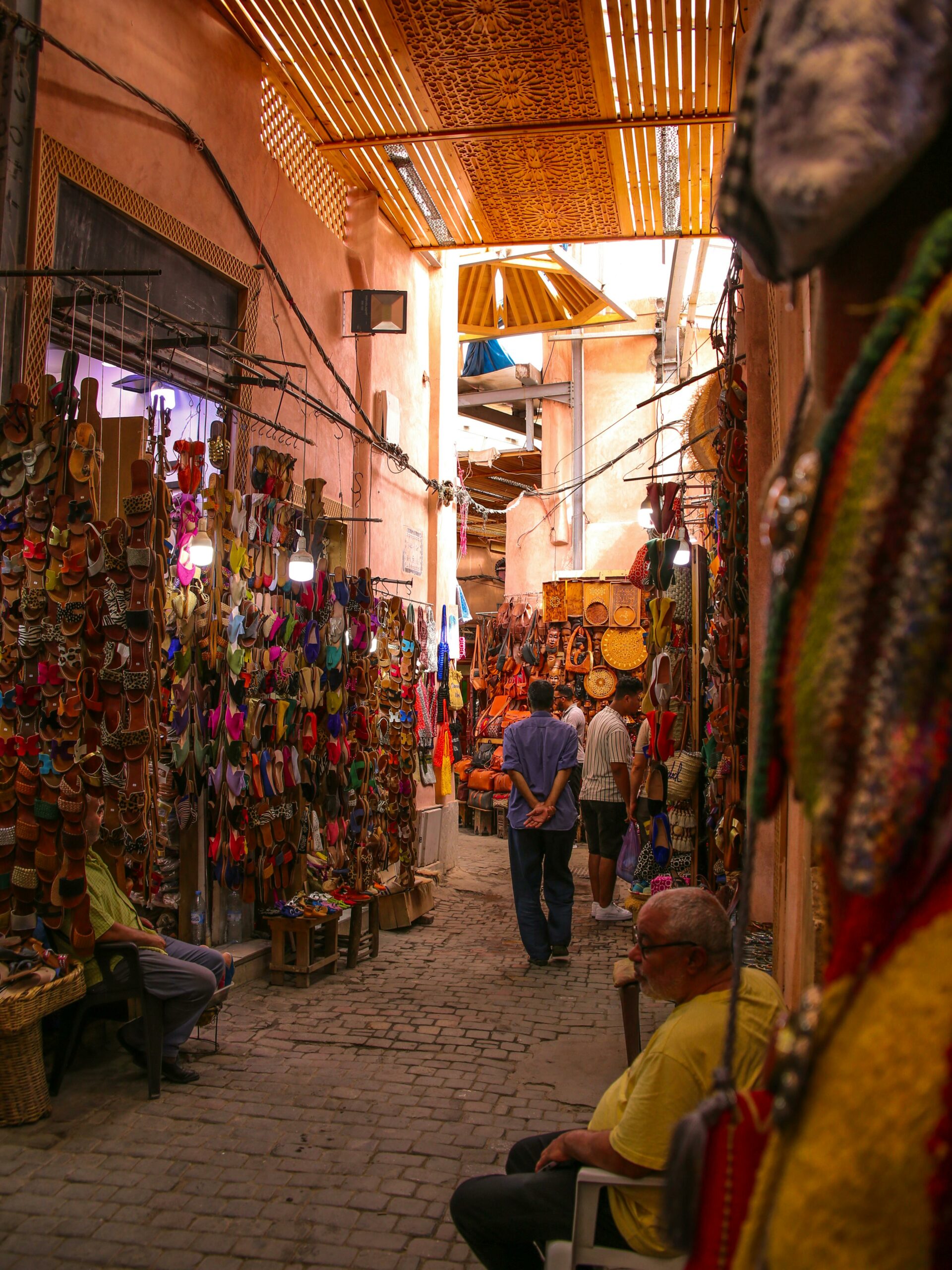
No authentic travel experience is complete without visiting the traditional souks. These lively markets are more than just shopping destinations—they are vibrant cultural spaces where daily life, craftsmanship, and commerce meet.
As you walk through the colorful alleys of the souks in cities like Fes and Marrakech, you’ll find stalls filled with handmade goods such as carpets, leather bags, lanterns, ceramics, and aromatic spices. Many of these items are crafted using traditional techniques that have been practiced for generations.
One unique aspect of shopping in these markets is the art of bargaining. Negotiating prices is a common and expected part of the experience. Rather than seeing it as a challenge, many locals view it as a friendly interaction between buyer and seller.
Taking time to explore the souks also allows visitors to observe local craftsmanship up close. In small workshops tucked between market stalls, artisans shape metal, weave textiles, or dye leather using traditional methods. These moments offer a fascinating glimpse into skills and traditions that continue to thrive today.
Beyond shopping, the souks are also places full of energy, conversation, and cultural exchange—making them an unforgettable part of any journey.
Don’t just read about Morocco — experience it.
Your unforgettable journey through culture, colors, and desert landscapes starts here.
Experience Everyday Traditions

Traveling like a local means taking time to discover the small traditions that shape everyday life. In Morocco, hospitality and social customs play an important role in daily interactions, and many of these traditions are easy for visitors to experience during their journey.
One of the most recognizable cultural moments is sharing a glass of Moroccan mint tea. Preparing tea is almost a ritual: green tea leaves are mixed with fresh mint and sugar, then poured from a small teapot into delicate glasses from a height to create a light foam on top. Tea is usually offered to guests as a symbol of welcome, and it often becomes a moment for conversation and relaxation
Another traditional experience is visiting a hammam, a public bathhouse that has been part of local culture for centuries. In many neighborhoods, people visit the hammam weekly to relax, cleanse, and socialize. The experience usually includes steam rooms, traditional black soap, and a thorough exfoliating scrub that leaves the skin refreshed.
Beyond these well-known traditions, visitors may also notice smaller daily habits that reveal the rhythm of local life. Fresh bread is often baked in neighborhood ovens and shared during meals, while families and friends gather to enjoy food together, especially during important days like Friday lunch.
Taking part in these traditions—even in simple ways—helps travelers connect more deeply with the culture. Instead of only observing from the outside, visitors can experience the warmth, generosity, and social spirit that are central to everyday life.
Explore Beyond the Major Cities
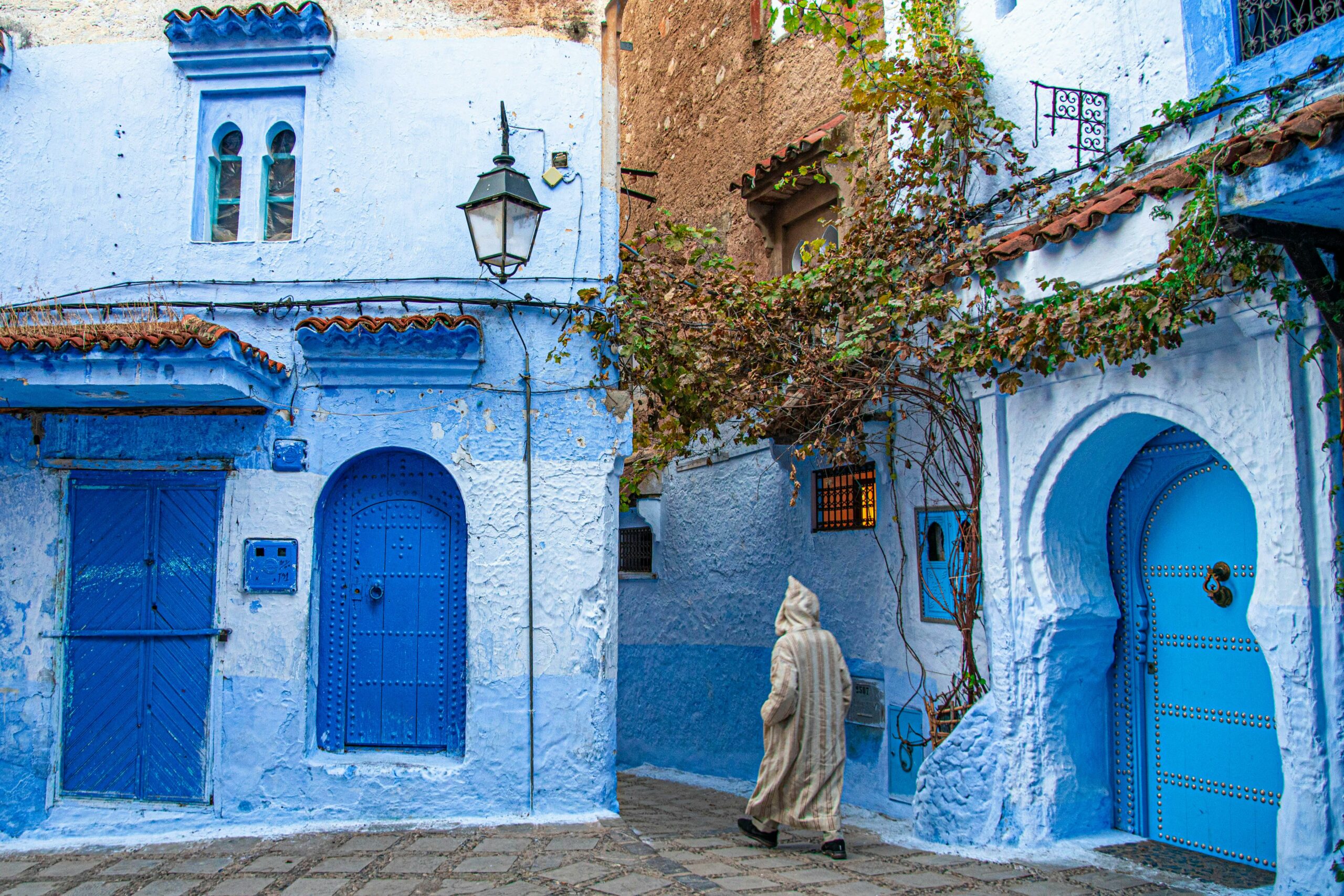
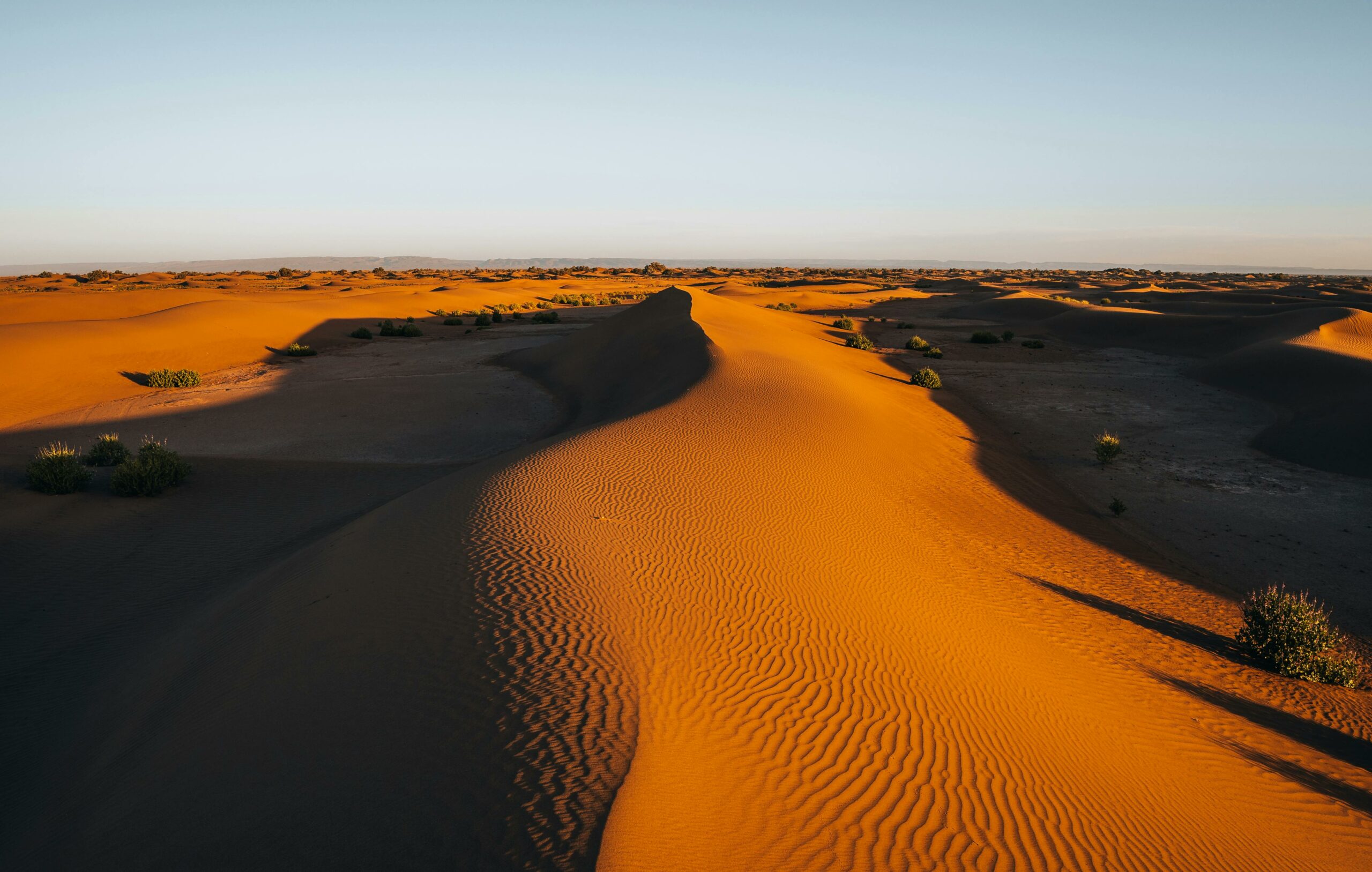
While famous destinations attract many visitors, some of the most authentic travel experiences often happen outside the busiest urban centers. Exploring smaller towns and natural landscapes allows travelers to see a quieter side of daily life and discover places where traditions remain deeply rooted.
For example, the blue-painted streets of Chefchaouen offer a peaceful atmosphere very different from larger cities. Walking through its calm alleys, visitors can observe artisans at work, small family-owned shops, and scenic viewpoints overlooking the surrounding mountains.
Further south, near Merzouga, travelers can experience the vast beauty of the Sahara’s golden dunes. Spending time in this desert landscape—whether through a camel trek or a night in a traditional camp—offers a unique opportunity to appreciate the silence, star-filled skies, and timeless rhythms of desert life.
Exploring beyond the major cities also allows visitors to encounter rural communities, traditional villages, and breathtaking landscapes that many travelers overlook. These destinations provide a deeper perspective on the country’s cultural diversity and natural beauty.
For those seeking meaningful travel experiences, venturing outside the most famous destinations often reveals some of the most memorable moments of the journey.
Stay Safe While Exploring
Traveling and discovering local culture can be an exciting experience, but staying aware of your surroundings is always important. Like in any destination, visitors should take simple precautions to ensure a comfortable and enjoyable journey.
While exploring busy areas such as the medinas of Fes or Marrakech, it is recommended to keep personal belongings secure and remain attentive in crowded places. Most visits are smooth and welcoming, but basic awareness can help avoid small inconveniences.
It is also helpful to respect local customs and dress modestly in certain areas, especially when visiting traditional neighborhoods or religious sites. This shows respect for the culture and often creates more positive interactions with local residents.
By following these simple tips, travelers can explore with confidence and focus on enjoying the rich culture, hospitality, and unforgettable experiences the country has to offer.
Traveling like a local is one of the most rewarding ways to experience a destination. By wandering through historic medinas, tasting traditional dishes, staying in charming riads, and exploring vibrant souks, visitors can discover moments that go far beyond typical sightseeing.
In Morocco, many of the most memorable experiences are found in everyday life—sharing a glass of Moroccan mint tea with welcoming hosts, observing artisans at work, or watching the sunset over the golden dunes near Merzouga. These simple yet meaningful moments often become the highlights of a journey.
By slowing down, staying curious, and embracing local traditions, travelers can gain a deeper appreciation for the culture, landscapes, and hospitality that make this destination so special. Sometimes, the best way to explore a place is simply to experience it the way locals do.
Is it safe to travel around Morocco like a local?
Yes, Morocco is generally considered a safe destination for travelers. Like in any country, it’s important to stay aware of your surroundings, especially in busy areas such as medinas and markets. Keeping personal belongings secure and respecting local customs can help ensure a smooth and enjoyable experience.
What is the best way to experience Moroccan culture?
One of the best ways to experience local culture is by exploring historic medinas, trying traditional food, staying in riads, and interacting with local communities. Visiting places like Fes or Marrakech can give travelers a deeper insight into daily life and traditions.
What traditional foods should visitors try?
Travelers should try iconic dishes such as Tagine, Couscous, and Harira. These meals are widely enjoyed and represent an important part of the country’s culinary culture.
Is staying in a riad better than staying in a hotel?
Many travelers prefer staying in a riad because it offers a more authentic experience. Riads are traditional houses with beautiful interior courtyards, often located in historic medinas. They allow visitors to experience local architecture, hospitality, and atmosphere in a unique way.
What is the best time to visit Morocco?
The best time to visit Morocco is generally during spring (March to May) and autumn (September to November). During these seasons, the weather is pleasant for exploring cities, mountains, and desert landscapes.