
The Story of Moroccan Mint Tea and Its Role in Moroccan Hospitality
Hospitality is one of the most cherished values in the culture of Morocco. Across the country, welcoming guests with warmth and generosity is considered a sign of respect and good manners. Whether someone is visiting a family home, entering a small shop, or staying in a traditional guesthouse, hosts often make an effort to ensure visitors feel comfortable and appreciated. This tradition of hospitality has been passed down through generations and continues to shape daily life throughout Morocco.
One of the most recognizable ways this welcoming spirit is expressed is through the offering of Moroccan mint tea. Serving tea is often one of the first gestures when greeting a guest. Rather than being just a drink, tea represents a moment of connection and conversation. Visitors are usually invited to sit down, relax, and enjoy a freshly prepared glass while sharing stories and experiences.
Over time, Moroccan mint tea has become more than a simple beverage. It is a cultural symbol that reflects friendship, generosity, and social harmony in Morocco. In many homes, shops, and traditional riads, the preparation and serving of tea is treated almost like a small ceremony that brings people together.
For travelers exploring Morocco, experiencing this tradition offers a deeper understanding of the country’s welcoming spirit. Many travel guides and local travel advisers often highlight Moroccan mint tea as one of the most authentic cultural experiences visitors can enjoy. Whether recommended by a trusted travel advisor or discovered during a casual visit to a local home, sharing tea remains one of the most memorable ways to experience hospitality in Morocco.
The Cultural Meaning of Moroccan Mint Tea
In Morocco, tea is much more than a simple beverage. It represents respect, friendship, and a sincere gesture of welcome. Offering Moroccan mint tea is one of the most common ways hosts show hospitality to their guests. Whether someone is visiting for the first time or returning after many years, sharing tea often marks the beginning of a warm social interaction.
This tradition can be experienced in many different settings across Morocco. In family homes, guests are usually welcomed with a freshly prepared pot of mint tea served in small decorative glasses. In traditional shops and markets, merchants may invite visitors to sit for a moment and enjoy tea while discussing products or simply sharing a friendly conversation. Even in desert camps or remote villages, offering tea remains an important symbol of generosity and respect.
The ritual of serving tea also reflects the relaxed and social nature of daily life in Morocco. Preparing the tea, pouring it carefully from a height, and sharing it together creates a moment where people slow down and connect. This simple act encourages conversation, storytelling, and cultural exchange between hosts and visitors.
For travelers seeking authentic cultural experiences, many travel advisers and local guides often give the same advice: accept the invitation when someone offers mint tea. It is not only polite but also an opportunity to experience one of the most meaningful traditions in Moroccan culture. As many travel advisor platforms highlight, sharing tea often leads to genuine interactions that help visitors better understand the welcoming spirit found throughout Morocco.
The History Behind Moroccan Mint Tea
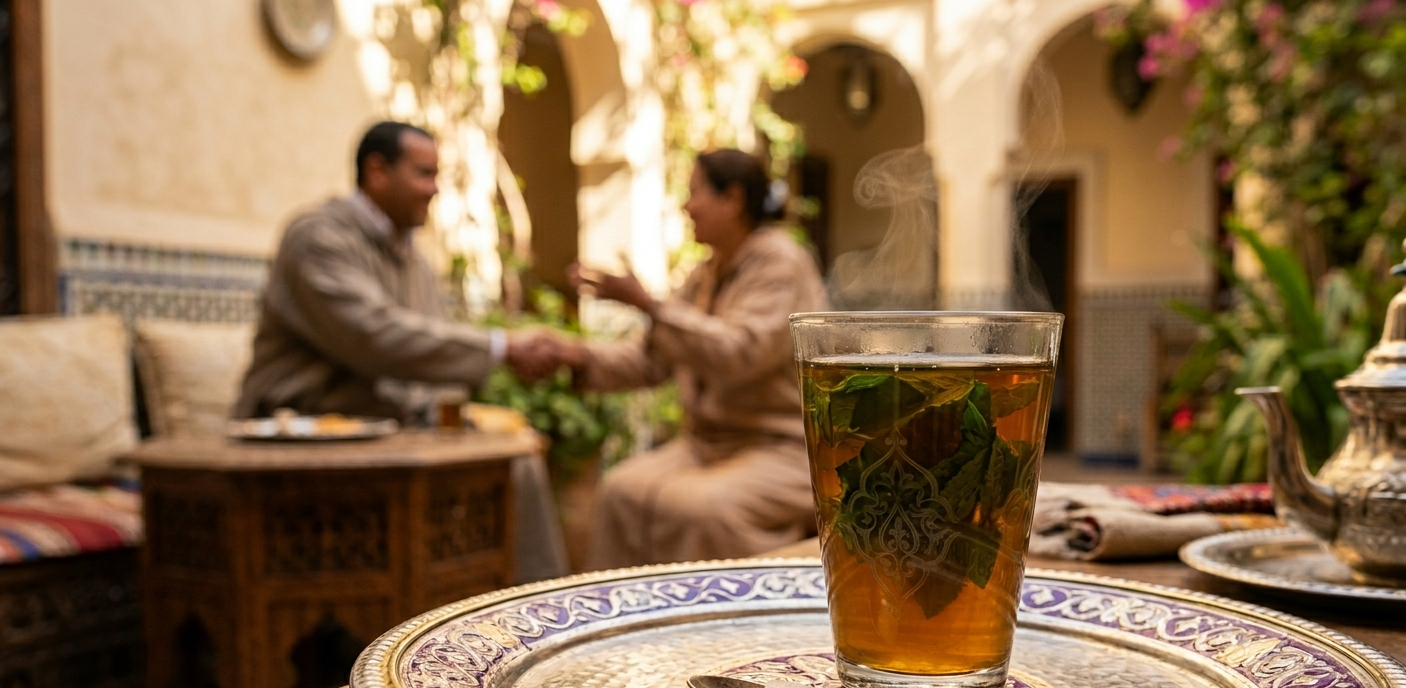
The story of Moroccan mint tea is closely connected to the history of trade and cultural exchange in Morocco. Although tea is now considered a traditional drink across the country, it was not always part of daily life. Historical records suggest that green tea first arrived in the region during the 19th century through international trade routes. British merchants, who were actively trading goods across North Africa, introduced Chinese green tea to local markets. Over time, this new beverage began to gain popularity among communities and gradually became integrated into everyday culture.
As trade expanded, tea became more widely available throughout Morocco. Merchants traveling across cities and desert routes helped spread the product, while local families began experimenting with ways to prepare it. The addition of fresh mint leaves and sugar eventually created the distinctive flavor now known as Moroccan mint tea. This unique combination transformed imported green tea into a drink that reflected local tastes and traditions.
International commerce played an important role in shaping this tea culture. Goods arriving through ports and trade networks influenced many aspects of life, including food and drink traditions. Today, the preparation of mint tea is deeply rooted in Moroccan social customs, showing how global trade and local creativity combined to form a lasting cultural tradition.
For travelers interested in understanding cultural history, many travel advisers and cultural experts often share the same advice: learning the story behind Moroccan mint tea offers valuable insight into how traditions evolve over time. Modern travel advisor platforms also highlight this history as an important cultural detail that helps visitors better appreciate everyday life in Morocco.
→ Today, Moroccan mint tea is sometimes humorously called “Moroccan whiskey.” Despite the nickname, the drink contains no alcohol and simply reflects how important tea has become in social life across Morocco.
The Traditional Way of Preparing Mint Tea
The preparation of Moroccan mint tea is considered an important ritual in daily life across Morocco. Although the ingredients are simple, the method of preparing and serving the tea reflects a long-standing cultural tradition. In many homes, making tea is not rushed; instead, it is treated as a moment that brings people together and creates a welcoming atmosphere.
The main ingredients used to prepare Moroccan mint tea are green tea, fresh mint leaves, and sugar. The base is typically Chinese green tea, which is placed in a traditional metal teapot. Fresh mint is then added, giving the tea its distinctive refreshing aroma, while sugar balances the flavor and creates the sweet taste that many people associate with this traditional drink.
The preparation process usually begins by rinsing the green tea leaves with hot water to remove bitterness. After that, hot water is added to the teapot along with a generous amount of fresh mint and sugar. The mixture is then allowed to steep for a few minutes so that the flavors blend together. In many households, the host may pour a small amount into a glass and return it to the pot to mix the tea evenly before serving.
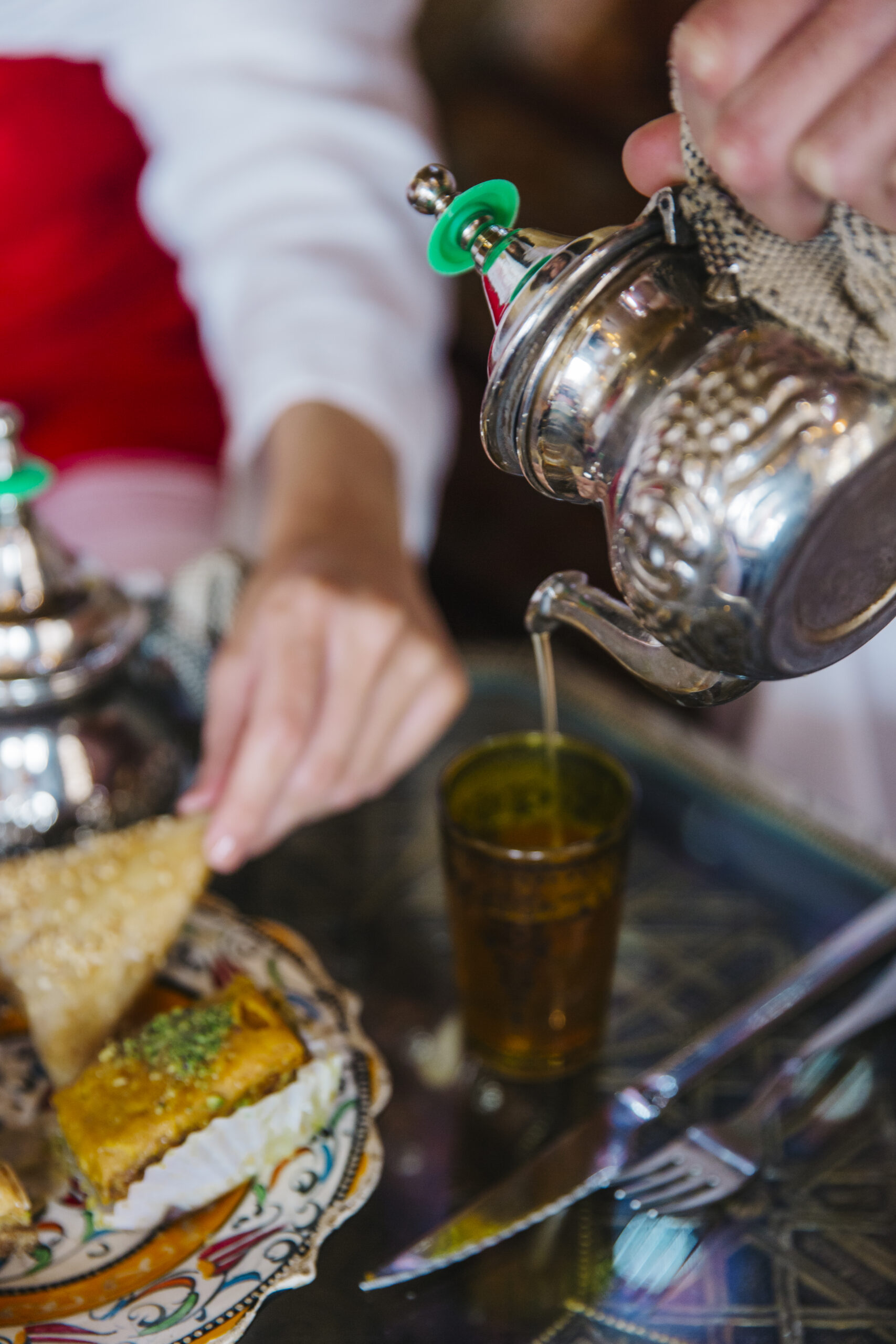
One of the most recognizable parts of the tradition is the way the tea is poured. The host typically pours the tea from a noticeable height into small glasses. This technique helps create a light foam on the surface and slightly cools the tea, while also enhancing the flavor. The act of pouring tea in this way is often seen as a sign of skill and hospitality.
For travelers interested in experiencing local traditions, many travel advisers often share the same advice: observing or participating in the preparation of mint tea is one of the best ways to understand daily culture in Morocco. Many travel advisor platforms even recommend visiting traditional homes or riads to see how this simple but meaningful ritual continues to be practiced throughout the country.
Mint Tea as a Social Ritual
In Morocco, drinking mint tea is much more than simply enjoying a hot beverage—it is an important social ritual that brings people together. Tea often creates a moment of pause during the day when people can relax, share conversations, and enjoy each other’s company. Whether in a family home, a small café, or a traditional riad, the act of sharing tea encourages connection and friendly interaction.
For many families in Morocco, gathering around a pot of mint tea is part of everyday life. Friends and relatives may sit together for long conversations while the host prepares the tea and carefully pours it into small glasses. These moments allow people to discuss daily events, share stories, and strengthen relationships. The relaxed atmosphere created by tea drinking makes it a perfect setting for social interaction.
Serving tea also plays an important role in welcoming guests. When visitors arrive, offering a glass of Moroccan mint tea is often one of the first gestures of hospitality. It shows respect, kindness, and a genuine desire to make guests feel comfortable. Because of this tradition, tea has become a symbol of warmth and generosity throughout Moroccan culture.
For travelers exploring Morocco, many travel advisers and local guides offer similar advice: accepting a glass of mint tea is one of the best ways to experience authentic hospitality. Modern travel advisor platforms frequently highlight this simple tradition as a meaningful cultural experience that allows visitors to connect with local people and better understand everyday life in Morocco.
Ready to explore Morocco?
Discover our unforgettable Moroccan tours and one-day trips designed to help you experience the real beauty of the country
When and Where Mint Tea Is Served
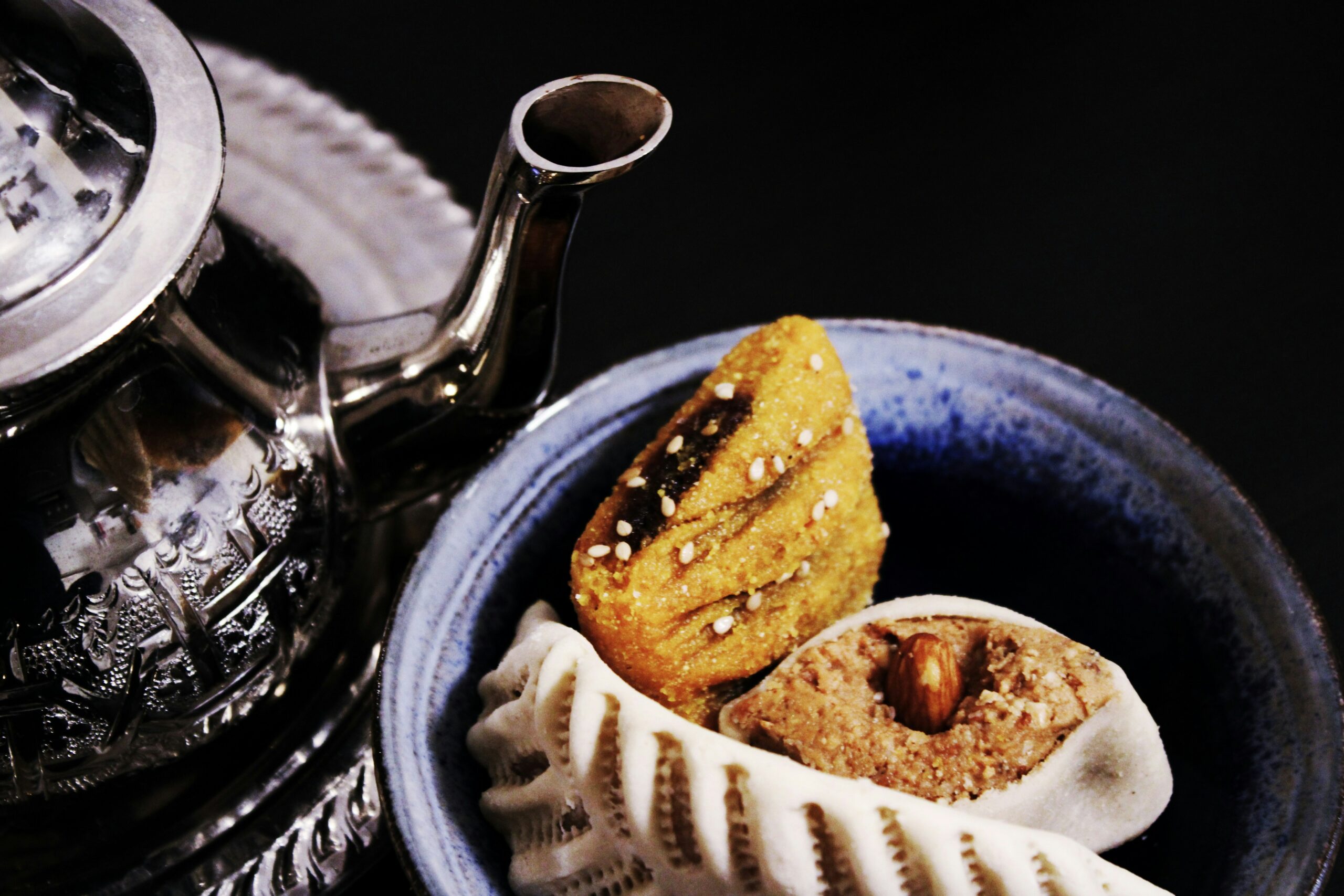
In Morocco, Moroccan mint tea is enjoyed throughout the day and in many different settings. Unlike drinks that are reserved for specific occasions, mint tea is part of daily life and social traditions. It can be served during family gatherings, casual visits, or even during simple moments of relaxation.
One common time when mint tea is served is after meals. Many families enjoy tea as a way to relax and continue conversations after eating. The refreshing combination of green tea and mint is often appreciated after traditional dishes, creating a pleasant and social atmosphere around the table.
Mint tea is also closely connected to the tradition of welcoming guests into a home. When visitors arrive, hosts often prepare a fresh pot of tea as a sign of respect and hospitality. This gesture allows guests to sit comfortably, start conversations, and feel welcomed. In many homes, the act of offering tea is considered a polite and meaningful way to greet visitors.
Beyond private homes, Moroccan mint tea can also be found in cafés, markets, and traditional riads across Morocco. In lively markets, shop owners sometimes invite customers to share a glass of tea while discussing products or simply enjoying a friendly exchange. In traditional riads, tea is often served to guests as part of the welcoming experience when they arrive.
For travelers visiting Morocco, many travel advisers and cultural guides often give the same advice: take the opportunity to enjoy mint tea in different places. Whether recommended by a trusted travel advisor or discovered during a casual visit to a café or riad, sharing tea in these settings offers a simple but authentic glimpse into everyday Moroccan culture.
Why Visitors Love This Tradition
For many travelers visiting Morocco, experiencing Moroccan mint tea quickly becomes one of the most memorable cultural moments of their journey. While it may seem like a simple drink at first, visitors often discover that tea represents something much deeper: a gateway to understanding local traditions, hospitality, and daily life.
Travelers frequently notice that sharing tea creates a natural opportunity to learn more about the culture. Sitting down for a glass of mint tea often leads to friendly conversations, stories, and cultural exchange. These moments allow visitors to see a more personal side of Moroccan life beyond famous landmarks or tourist attractions.
Another reason visitors appreciate this tradition is the sense of connection it creates with local people. Whether tea is offered in a family home, a small market shop, or a traditional riad, the gesture reflects genuine kindness and openness. Accepting a glass of tea often turns a simple interaction into a warm and memorable experience.
Because of this, many travel advisers and cultural guides share the same advice with visitors: take time to enjoy these small cultural moments. According to many travel advisor platforms and visitor experiences, sharing Moroccan mint tea is often remembered as one of the highlights of a trip to Morocco. It allows travelers to connect with people, traditions, and everyday life in a way that few other experiences can offer.
In Morocco, mint tea is much more than a refreshing drink—it represents generosity, respect, and warm hospitality. Offering tea is one of the simplest ways hosts welcome guests and create a friendly atmosphere where conversations can naturally begin.
For travelers, this small ritual often becomes one of the most memorable cultural experiences. Many travel advisers share the same advice: accept the invitation when someone offers tea. According to many travel advisor platforms, this tradition offers visitors a genuine glimpse into everyday life and the welcoming spirit that defines Morocco.
Why is Moroccan mint tea important in Morocco?
Moroccan mint tea is a symbol of hospitality and friendship in Morocco. Offering tea to guests is a traditional way to show respect and welcome. Many travel advisor platforms highlight this tradition as one of the most authentic cultural experiences visitors can enjoy.
Why do Moroccans pour tea from a height?
Pouring tea from a height is part of the traditional serving ritual in Morocco. This technique helps mix the tea, cool it slightly, and create a light foam on the surface, making the presentation more elegant.
Should visitors accept mint tea when it is offered?
Yes. Many travel advisor guides often give this advice to travelers visiting Morocco: accepting mint tea is a polite way to respect local hospitality and enjoy a genuine cultural experience.
What ingredients are used to make Moroccan mint tea?
Traditional Moroccan mint tea is made with green tea, fresh mint leaves, and sugar. These simple ingredients create the sweet and refreshing drink that is served daily in homes, cafés, and riads across Morocco.
When is Moroccan mint tea usually served?
In Morocco, mint tea can be served at many moments during the day. It is commonly offered after meals, during social visits, or when welcoming guests into a home.
Where can travelers experience authentic Moroccan mint tea?
Visitors can experience authentic mint tea in traditional homes, local cafés, markets, and riads throughout Morocco. Many travel advisor recommendations suggest accepting tea invitations because they often lead to meaningful conversations and cultural exchange.