
The Hidden Stories Behind Morocco’s Ancient Kasbahs
At the edge of Morocco’s vast desert landscapes, ancient kasbahs rise like timeless fortresses shaped by centuries of history. With their towering earthen walls and maze-like passages, these remarkable structures once protected powerful families, guarded strategic caravan routes, and stood as symbols of authority across the region. Travelers carrying gold, spices, and other valuable goods passed nearby on journeys that connected the Sahara to great cities such as Marrakech and Ouarzazate. Today, many of these kasbahs still dominate the landscape, drawing visitors eager to discover the secrets hidden behind their walls. Places like Aït Benhaddou reveal not only impressive architecture but also fascinating stories of trade, power, and survival that shaped Morocco’s past. Exploring these ancient kasbahs is like stepping into a living chapter of history, where every tower and passage holds echoes of a remarkable era.
What Is a Kasbah?
A kasbah is a traditional fortified residence or fortress that has played a significant role in the history and architecture of Morocco. These impressive structures were typically built to protect powerful families, tribal leaders, or entire communities. For centuries, kasbahs stood as symbols of strength, authority, and security, especially in the southern regions of the country where trade routes and desert landscapes shaped daily life.
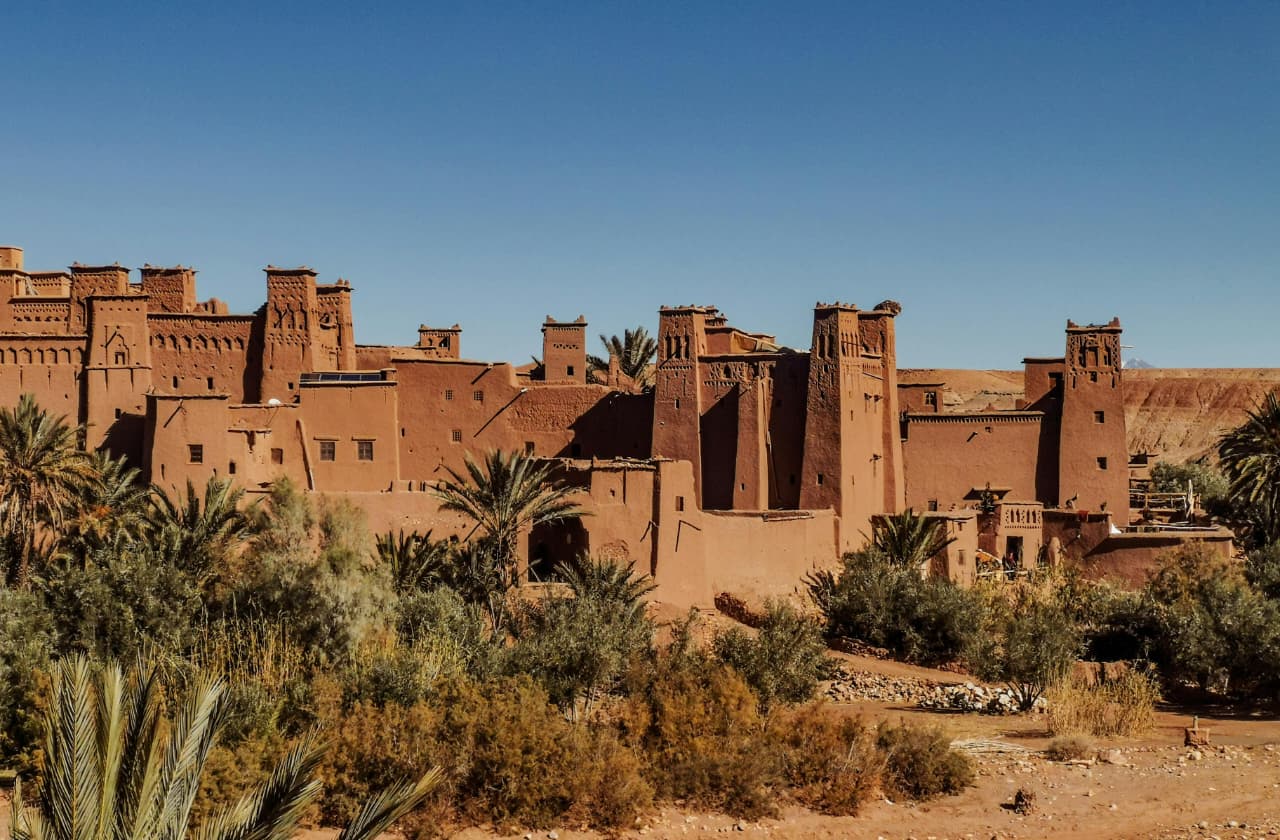
In simple terms, a kasbah functioned as both a home and a defensive structure. The thick walls, narrow windows, and high corner towers were carefully designed to protect the people living inside from attacks or raids. From these towers, guards could watch over the surrounding land and quickly spot approaching travelers or potential threats. Because of their protective design, kasbahs often served as the main center of a village or tribe.
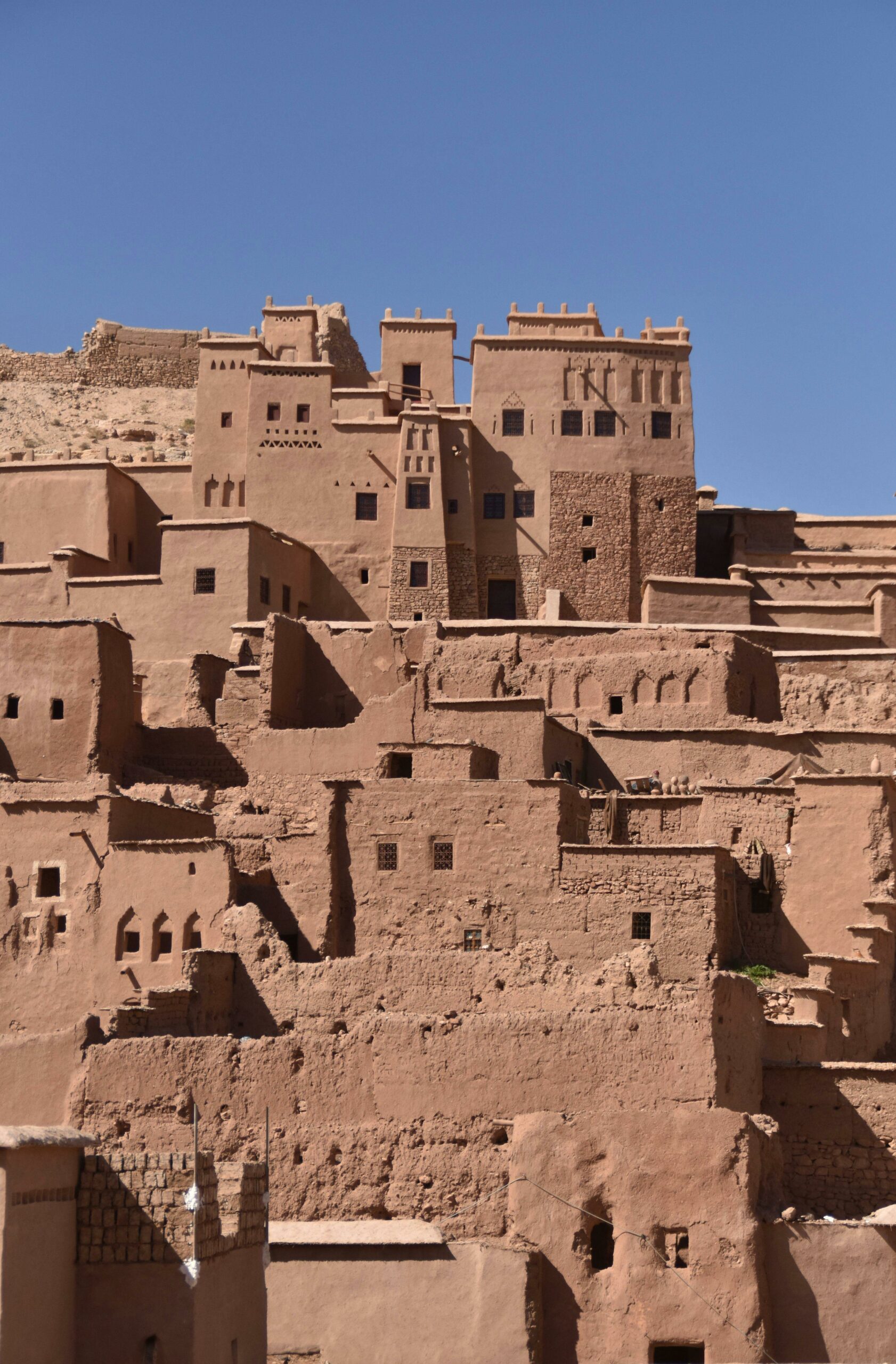
Most kasbahs were built using local and natural materials, which helped them blend perfectly into their environment. Builders mainly used earth, clay, mud bricks, straw, and wood collected from nearby areas. This traditional building method provided natural insulation, keeping the interior cool during hot desert days and warmer during colder nights. The warm red and brown tones seen in many kasbahs come directly from the soil of the surrounding land, giving them their iconic desert appearance.
Location was another key factor in the construction of kasbahs. Many were built in strategic places, such as hilltops, valley entrances, or along important caravan routes. These locations allowed the residents to monitor trade and protect merchants traveling across the Sahara and through southern Morocco. Areas around Ouarzazate became famous for their kasbahs because the region served as a gateway between the desert and major Moroccan cities.
Some kasbahs were also part of larger fortified villages known as ksars, where multiple families lived together within protective walls. One of the most well-known examples is Aït Benhaddou, a historic site that shows how these structures were designed to protect entire communities while supporting trade and daily life.
The Role of Kasbahs in Ancient Trade
For centuries, kasbahs played a vital role in the ancient trade networks of Morocco. Long before modern roads and transportation existed, merchants traveled across vast desert landscapes to exchange valuable goods between North Africa, sub-Saharan Africa, and the Mediterranean world. Along these challenging routes, kasbahs served as important strategic stops and protective centers for travelers and traders.
Many kasbahs were built close to historic caravan routes that crossed the Sahara Desert. These routes connected the markets of Morocco with regions far to the south, creating a powerful trade network that helped shape the economy and culture of the country. Merchants traveling through the desert often passed near fortified settlements, where they could rest, store goods, and find protection before continuing their journey toward major cities such as Marrakech or Fez.
The presence of kasbahs along these routes was essential because desert travel was not only difficult but sometimes dangerous. Caravans carrying valuable cargo needed safe places to stop during their long journeys. The thick walls and watchtowers of kasbahs helped protect both merchants and their merchandise from potential attacks or theft. In many cases, local leaders who lived in the kasbah controlled and supervised the surrounding trade routes, ensuring a certain level of safety and stability for travelers.
The goods transported along these routes were often extremely valuable. Caravans carried items such as gold, spices, salt, textiles, and precious materials, which were traded between different regions and cultures. These exchanges helped create strong economic and cultural connections across North Africa and beyond. Some kasbahs even developed into small commercial centers where traders could negotiate deals, exchange products, and gather information about the next stage of their journey.
Areas around Ouarzazate became particularly important in this network because they stood at the crossroads between the Sahara and northern Moroccan cities. Nearby historic sites such as Aït Benhaddou illustrate how these fortified settlements once protected trade routes and supported thriving caravan activity.
Life Inside a Kasbah
While kasbahs are often seen as strong defensive structures, they were also lively homes where families and communities lived their daily lives. Behind the thick earthen walls, these fortified buildings served as private residences for tribal leaders, wealthy families, and sometimes entire extended households. Life inside a kasbah was closely connected to family traditions, local culture, and the surrounding environment.
A typical kasbah was carefully designed to support both protection and everyday living. The structure often included several floors built around a central courtyard. This courtyard acted as the heart of the home, where family members gathered, children played, and daily tasks were organized. Rooms were used for sleeping, cooking, storing food, and welcoming guests. In many cases, the upper levels offered beautiful views of nearby valleys, palm groves, or caravan routes.
Daily life inside a kasbah involved many activities that reflected the traditions of Moroccan society. Women often prepared meals using traditional cooking methods, baking bread or preparing dishes that brought the family together around shared meals. Craftwork was also common, with residents creating textiles, pottery, or other handmade items used in everyday life. Community life was important, and family members worked together to maintain the home, manage resources, and support each other.
Despite the warmth of family life inside, the defensive purpose of kasbahs was always present. High towers and thick walls were essential features that helped protect the people living within. From the towers, guards could observe the surrounding land and monitor approaching travelers or potential threats. The narrow windows and strong gates made it difficult for enemies to enter, ensuring that the kasbah remained a safe refuge for its inhabitants.
Many kasbahs were built in regions where trade and travel were common, especially near historic routes connecting southern Morocco with major cities like Marrakech and Ouarzazate. These locations allowed kasbah residents to stay connected to commercial activity while still protecting their families and communities.
Famous Kasbahs That Still Stand Today
Despite the passing of centuries, many kasbahs in Morocco have survived and continue to stand as remarkable symbols of the country’s architectural and cultural heritage. These ancient fortified structures, once built for protection and power, are now important historical landmarks that attract travelers from around the world. Visiting them allows people to step back in time and discover how communities once lived, traded, and defended themselves in Morocco’s desert regions.
Some kasbahs have been carefully preserved and restored, while others remain partially in ruins, giving visitors a glimpse into their long and fascinating past. Today, these sites are not only historical monuments but also cultural treasures that tell stories about Morocco’s history, traditional architecture, and ancient trade networks.
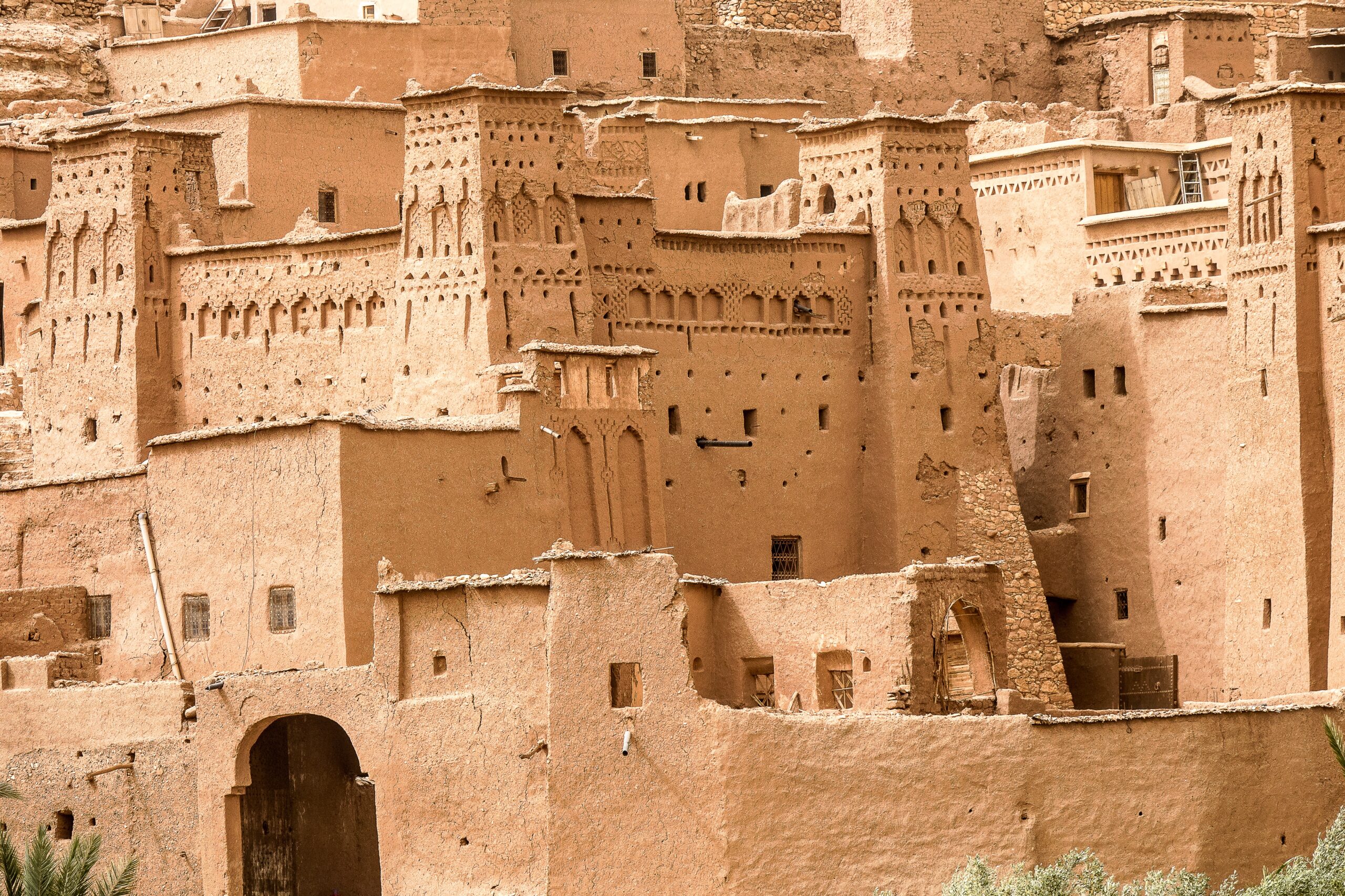
One of the most famous and impressive examples is Aït Benhaddou. This historic fortified village is located along a former caravan route between the Sahara Desert and the city of Marrakech. Built from traditional earth and clay materials, the village features tall defensive towers and beautifully decorated walls that reflect the unique style of southern Moroccan architecture. Because of its cultural importance and stunning appearance, Aït Benhaddou has become one of the most visited historical sites in the country.
Another region famous for its historic kasbahs is the area around Ouarzazate, often referred to as the “Gateway to the Desert.” This region contains several well-preserved kasbahs that once played a key role in protecting trade routes and local communities. Among them is the impressive Taourirt Kasbah, a large fortified complex that was once the residence of powerful local leaders. Its maze of rooms, towers, and passageways offers visitors a fascinating look into the life of the past.
Today, these historic kasbahs continue to attract travelers interested in history, architecture, and culture. Exploring them provides a deeper understanding of the traditions and stories that shaped Morocco over the centuries. Many travelers looking to visit these remarkable places often seek reliable travel advice before planning their journey. A knowledgeable Morocco adviser can help visitors discover the most fascinating kasbahs and learn more about the rich heritage that still stands proudly across the landscapes of Morocco.
Ready to explore Morocco’s legendary kasbahs?
Discover unforgettable desert landscapes and historic villages on our guided tours.
Legends and Stories Surrounding Kasbahs
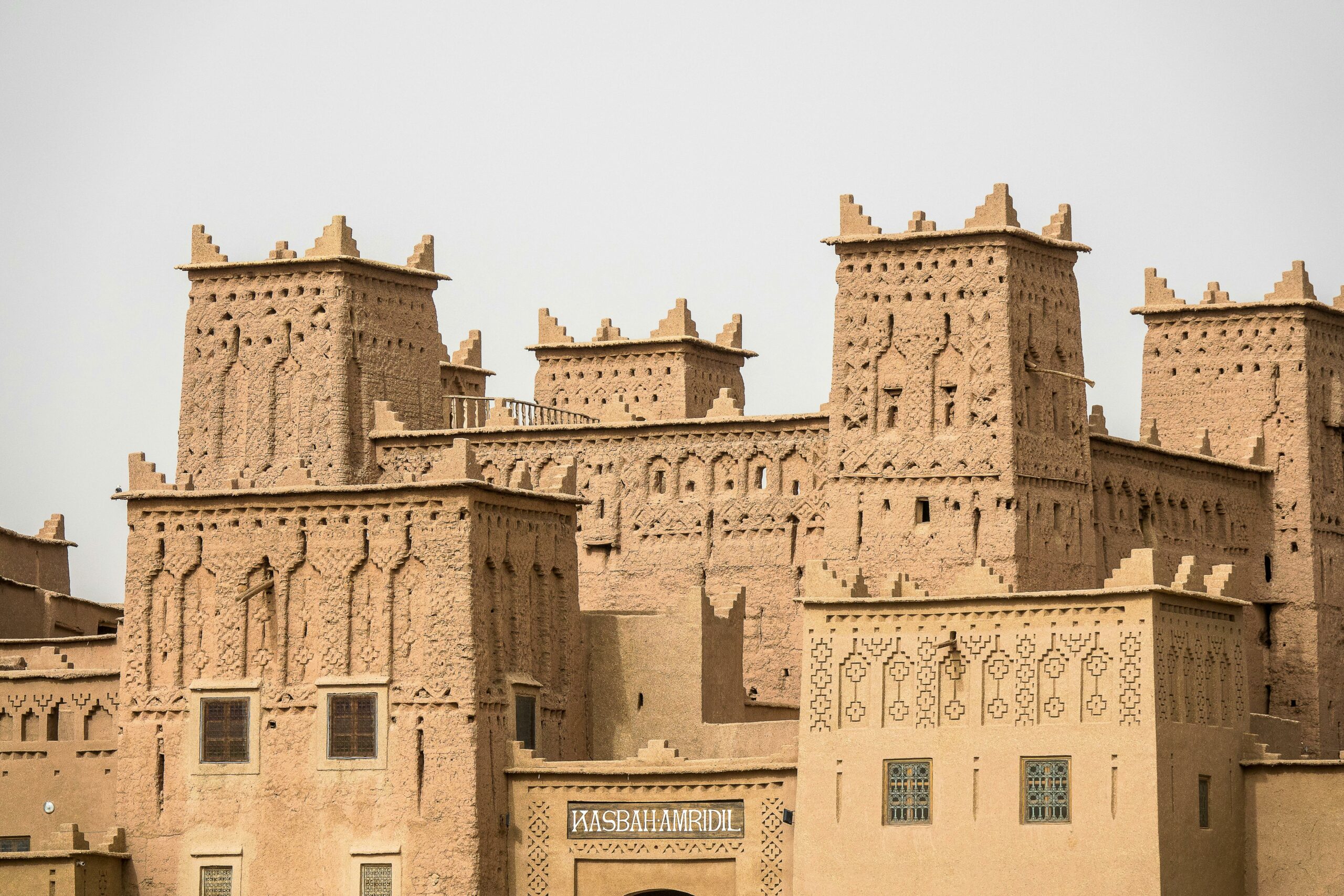
Beyond their impressive architecture and historical importance, many kasbahs in Morocco are also surrounded by fascinating legends and stories that have been passed down through generations. These tales, often shared by local communities, add a sense of mystery and imagination to the ancient structures that rise from the desert landscapes. For travelers exploring these historic sites, the stories behind the walls can be just as captivating as the buildings themselves.
Many local legends speak about powerful rulers and tribal leaders who once lived within these fortified residences. In the past, kasbahs were often the homes of influential families who controlled nearby land, trade routes, and villages. According to local traditions, some of these leaders were known for their bravery and wisdom, while others became famous for their wealth and influence. These stories reflect the important role kasbahs played as centers of authority and protection in southern Morocco.
Other tales focus on the caravans and travelers who crossed the Sahara Desert centuries ago. Merchants carrying valuable goods such as gold, spices, and textiles would often travel for weeks across harsh desert terrain. When they reached a kasbah, it provided a safe place to rest, store goods, and share news with local residents. Stories about these travelers describe long journeys, dangerous desert crossings, and moments of relief when the towers of a kasbah appeared on the horizon.
Some legends even speak of hidden treasures, secret passages, or forgotten chambers within certain kasbahs. While these stories may be partly mythical, they reflect the deep cultural connection between the people of Morocco and these historic structures. Sites such as Aït Benhaddou and the kasbahs surrounding Ouarzazate are often linked to stories that blend history with folklore, making visits to these places even more intriguing.
These legends and stories help bring the kasbahs to life, transforming them from simple historical monuments into places filled with imagination and cultural meaning. Travelers who explore these sites often discover that understanding the stories behind them adds a deeper layer to their journey through Morocco.
Why Travelers Love Visiting Kasbahs Today
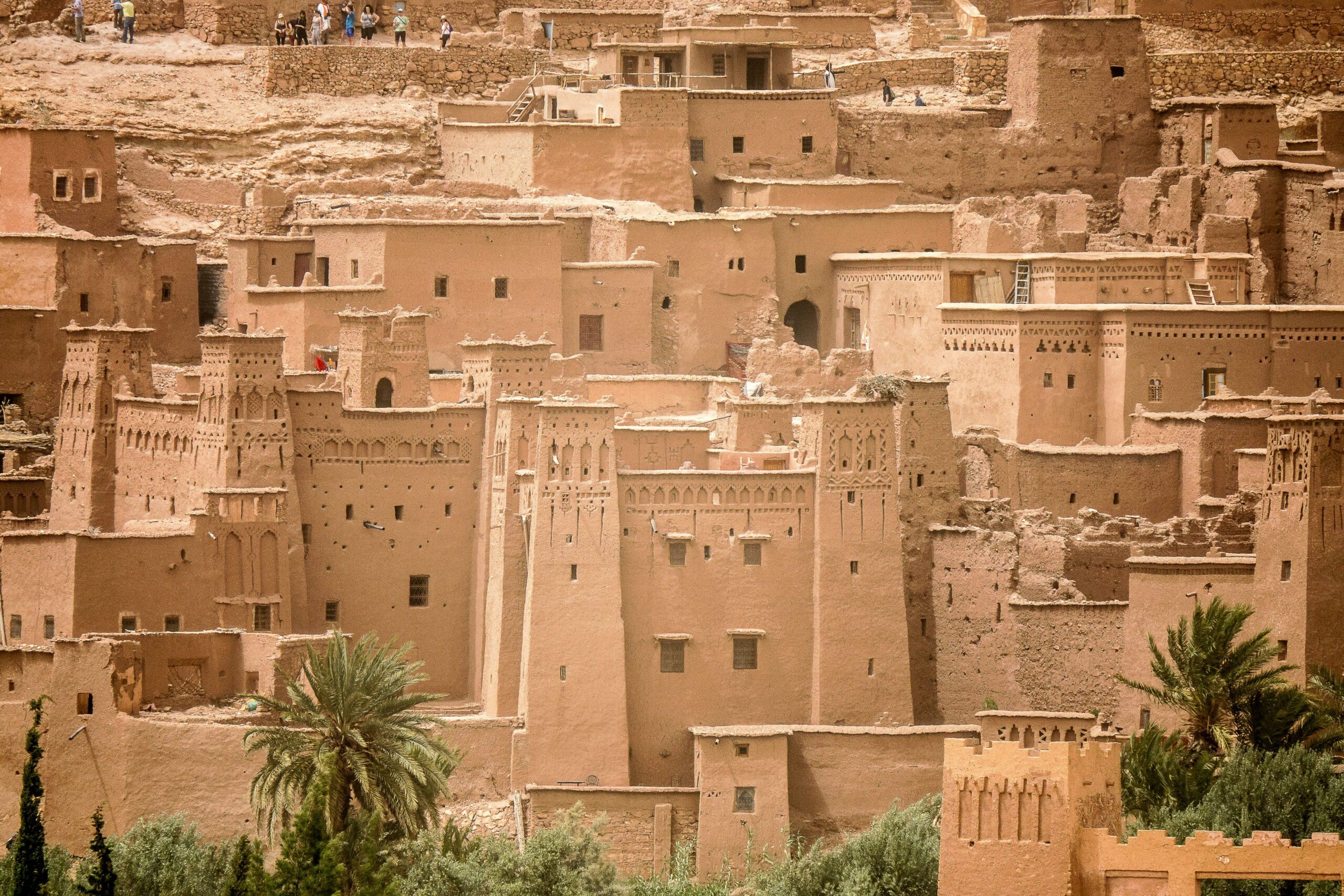
Today, the ancient kasbahs of Morocco continue to attract travelers from around the world who are fascinated by history, culture, and breathtaking landscapes. These historic structures offer a unique opportunity to explore a different side of Morocco, far from modern cities and deep within regions where tradition and heritage are still strongly preserved.
One of the main reasons travelers love visiting kasbahs is the spectacular desert scenery that surrounds them. Many of these fortified buildings rise dramatically from valleys, rocky hills, or palm-filled oases, creating unforgettable views. The warm earth tones of the kasbah walls blend beautifully with the natural colors of the landscape, especially at sunrise and sunset when the light gives the buildings a golden glow. Famous sites like Aït Benhaddou offer visitors a stunning combination of architecture and desert scenery that feels almost timeless.
Another reason these places remain so popular is the chance to explore centuries of history. Walking through the narrow passages, towers, and courtyards of a kasbah allows visitors to imagine what life was like hundreds of years ago. These structures tell stories of tribal leaders, desert traders, and families who once lived within their protective walls. Many travelers find that visiting a kasbah provides a deeper understanding of Morocco’s past and its rich cultural traditions.
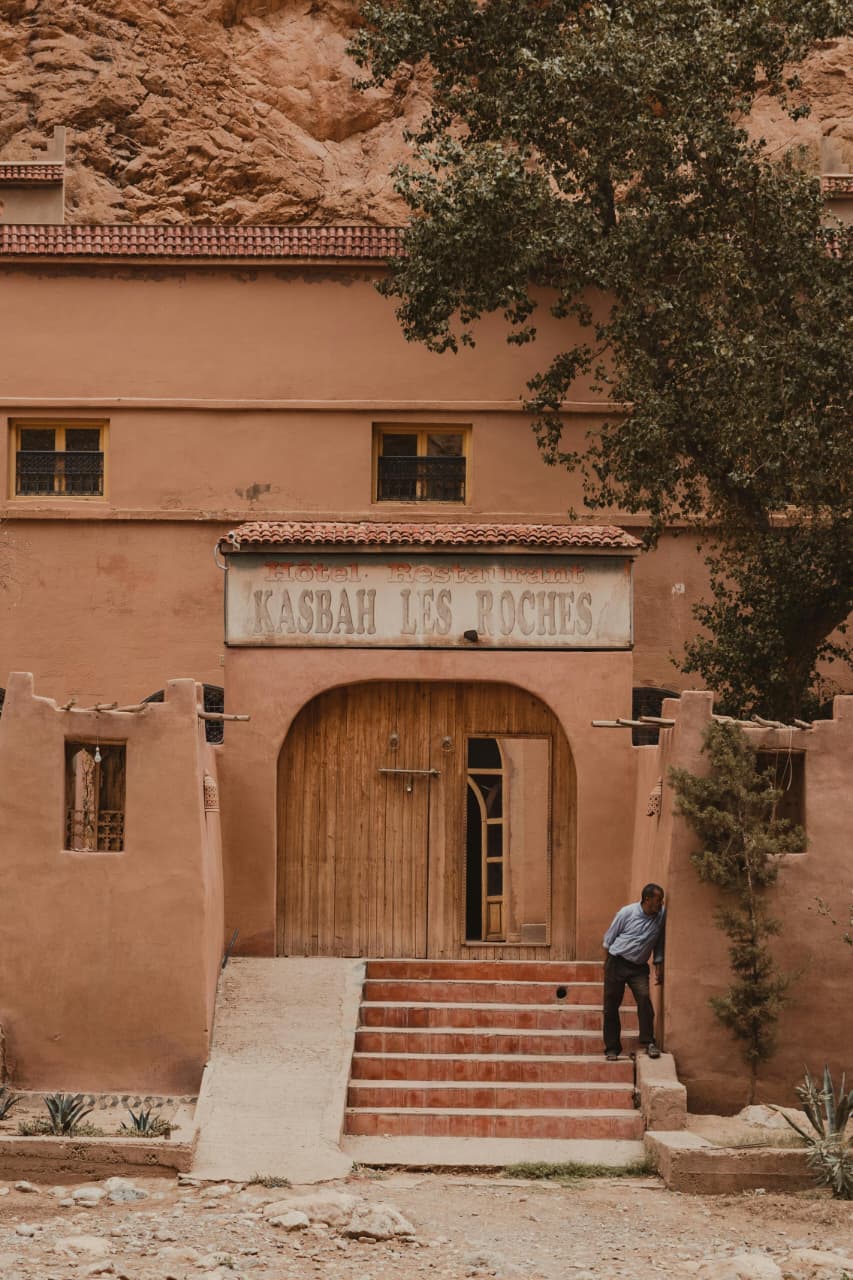
In recent years, several kasbahs have also been carefully restored and transformed into cultural sites, museums, or traditional guesthouses. This allows visitors not only to see these historic buildings but sometimes even to stay inside them and experience traditional Moroccan hospitality. Regions around Ouarzazate are especially known for their beautiful kasbahs, many of which have become popular destinations for travelers interested in architecture, photography, and heritage tourism.
The ancient kasbahs of Morocco are more than historic buildings—they are powerful symbols of the country’s rich heritage and centuries of history. From the famous Aït Benhaddou to the impressive kasbahs around Ouarzazate, these remarkable fortresses continue to tell stories of trade, culture, and desert life.
Exploring these kasbahs allows travelers to step into Morocco’s fascinating past. With the help of a trusted Morocco adviser or Morocco advisor, visitors can discover the most beautiful kasbahs and experience the authentic heritage that makes Morocco so unique.
What is a kasbah in Morocco?
A kasbah is a traditional fortified residence or fortress built mainly from earth and clay. These structures were used to protect families, tribal leaders, and nearby communities across Morocco, especially in desert and mountain regions.
Where can travelers see the most famous kasbahs in Morocco?
Some of the most famous kasbahs can be found in southern Morocco, including Aït Benhaddou and the historic kasbahs around Ouarzazate. These sites are popular destinations for visitors interested in history and traditional architecture.
Why were kasbahs built in Morocco?
Kasbahs were built to serve as fortified homes and defensive structures. They helped protect important families, villages, and trade routes that once connected the Sahara Desert with major cities in Morocco.
Can visitors explore kasbahs today?
Kasbahs were built to serve as fortified homes and defensive structures. They helped protect important families, villages, and trade routes that once connected the Sahara Desert with major cities in Morocco.
When is the best time to visit kasbahs in Morocco?
The best time to explore kasbahs in Morocco is during spring and autumn, when the weather is pleasant for walking and sightseeing. Before planning a visit, travelers often look for reliable travel advice from a knowledgeable Morocco adviser to discover the most fascinating historic sites.