
Life Behind the Walls of Fes el-Bali: Stories Most Travelers Never Hear
Behind the ancient gates of Fes el-Bali lies a world that many travelers to Morocco never truly see. While guidebooks often highlight famous landmarks and busy souks, the real story of Fes lives quietly behind its historic walls. In the narrow alleyways of the medina, daily life continues much as it has for centuries—artisans shaping leather and ceramics by hand, families sharing traditions passed down through generations, and neighbors gathering in small squares that rarely appear on tourist maps.
As one of the oldest and most culturally rich cities in Morocco, Fes offers far more than monuments and markets. The medina of Fes el-Bali, founded in the 9th century and recognized as a UNESCO World Heritage Site, remains one of the largest car-free urban areas in the world. Within its maze of thousands of winding streets, travelers can discover hidden workshops, quiet courtyards, and authentic moments of everyday Moroccan life. With the right travel advice and the help of a knowledgeable local advisor, visitors can go beyond the usual tourist paths and uncover stories that many people overlook.
This article explores life behind the walls of Fes el-Bali, revealing the traditions, daily routines, and hidden corners that make the medina one of the most fascinating places in Morocco. Whether you are planning your first visit or searching for deeper cultural experiences, understanding these lesser-known aspects of Fes will help you appreciate the city in a more meaningful way.
The Daily Rhythm of Life Inside Fes el-Bali
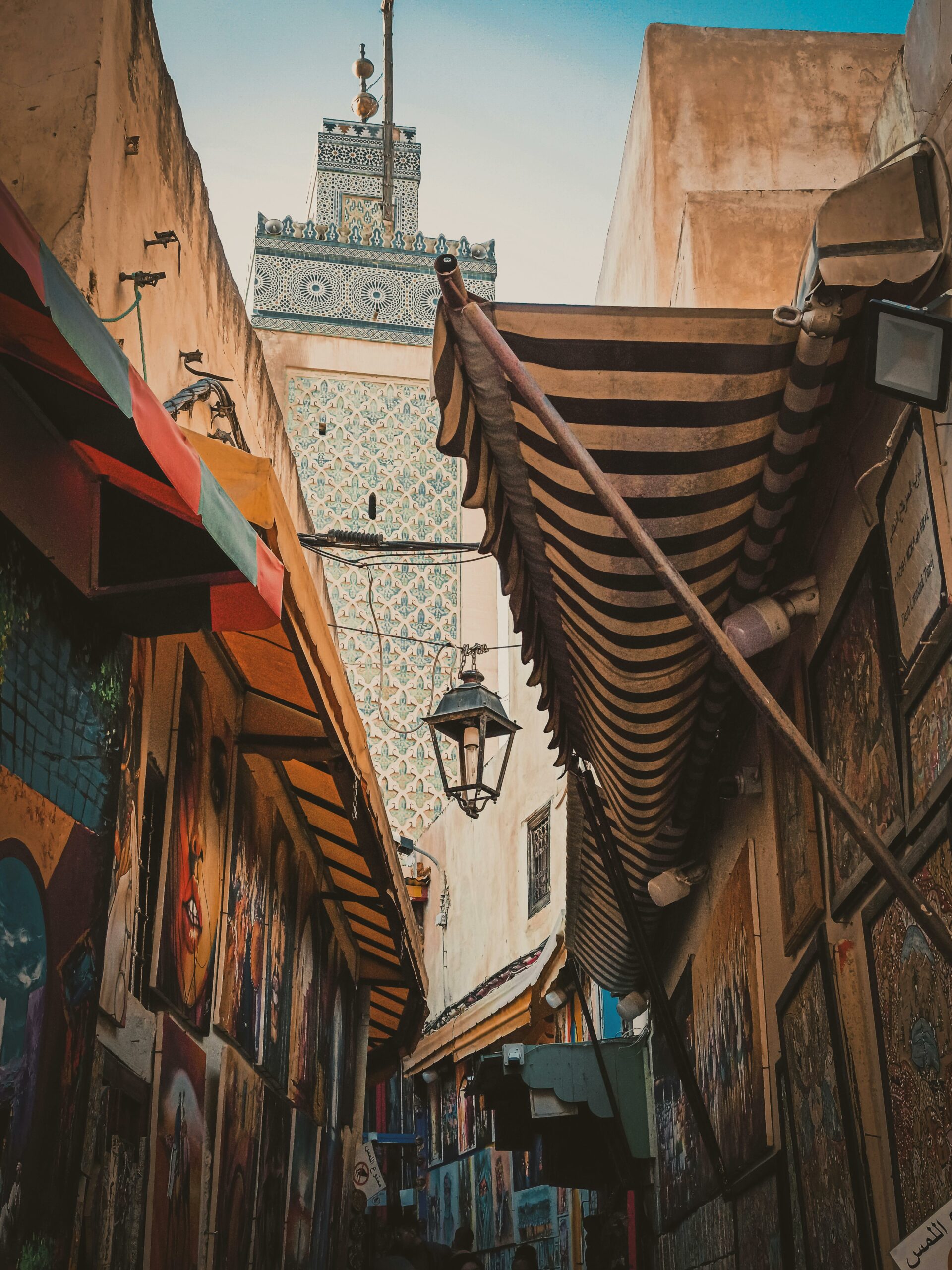
Life inside the ancient medina of Fes begins long before most visitors arrive. As the first light of morning reaches the narrow streets of Fes el-Bali, local shopkeepers slowly open their wooden doors, artisans prepare their small workshops, and the sounds of daily life start to echo through the labyrinth of alleys. Unlike modern cities, the rhythm of life here still follows traditions that have existed for centuries.
Walking through the medina, travelers can see craftsmen carefully shaping leather, carving wood, or arranging colorful ceramics outside their shops. Many of these trades have been passed down through generations, making the medina one of the most authentic cultural centers in Morocco. In places like the famous Chouara Tannery, workers continue to use traditional techniques that have changed very little over time.
Beyond the markets and workshops, the true heartbeat of the medina is its community. Children walk to school through narrow streets, neighbors greet each other in small squares, and families gather in traditional homes hidden behind simple doors. For visitors seeking real travel advice about exploring Fes, the best advisor is often time itself—slowing down, observing daily life, and appreciating the living traditions that make this historic city so unique.
Hidden Rooftops and Secret Views of Fes
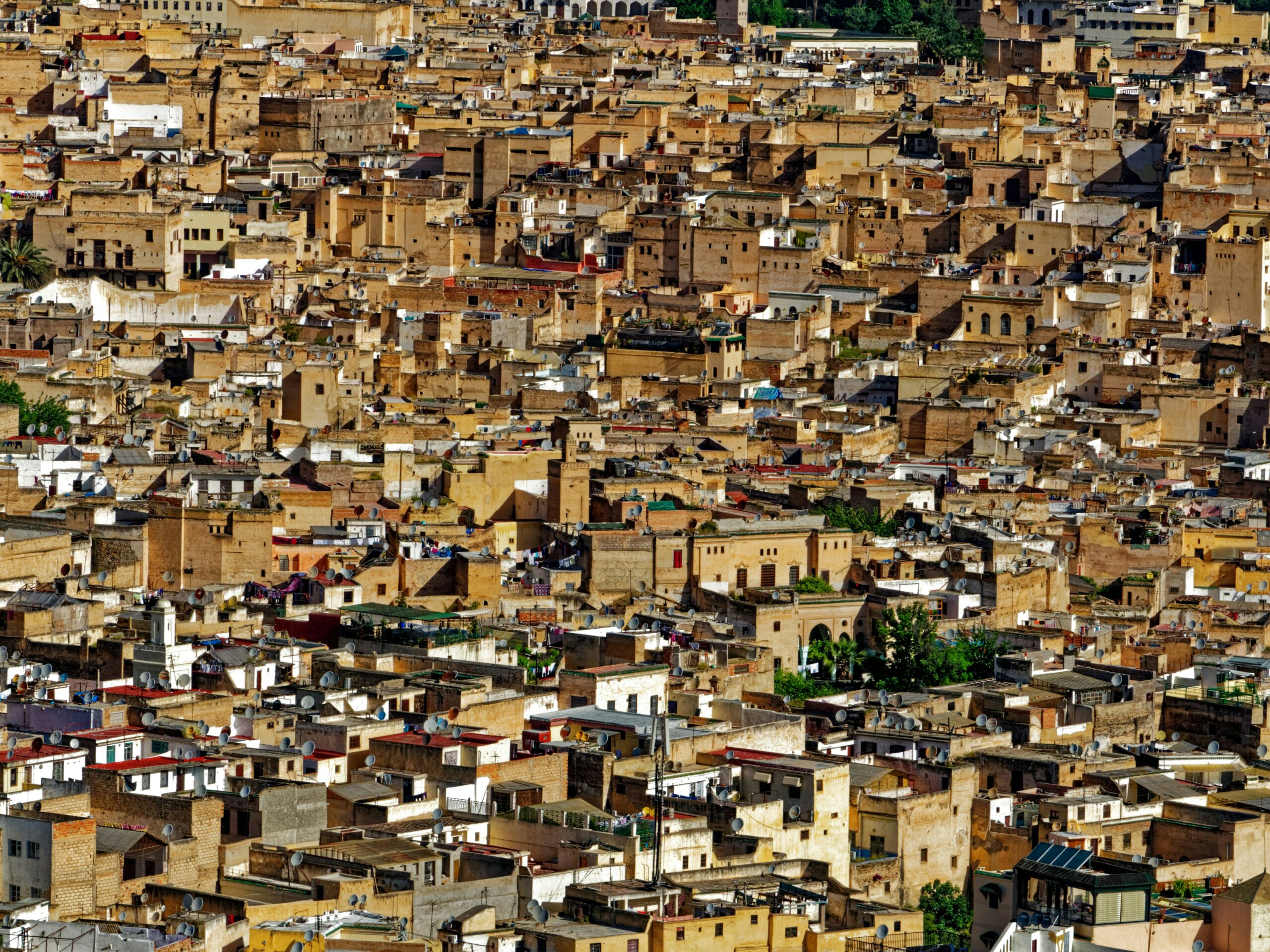
When travelers first enter the historic medina of Fes el-Bali, their attention is naturally drawn to the lively streets, colorful souks, and traditional artisan workshops that fill the narrow alleys. Yet above this busy maze lies another fascinating layer of the city that many visitors never notice: the rooftops. These elevated spaces reveal a quieter and more peaceful side of Fes, offering unique views that show the true scale and beauty of the ancient medina.
From the rooftops, the dense architecture of Fes el-Bali becomes easier to understand. Thousands of closely built houses form a complex labyrinth that developed over more than twelve centuries. Founded in the 9th century, the medina of Fes grew organically as families built homes around mosques, schools, and markets. Today it is recognized as a UNESCO World Heritage Site and remains one of the best-preserved historic urban landscapes in Morocco. Seeing this historic layout from above gives travelers a deeper appreciation of how the city evolved long before modern urban planning existed.
Rooftops also reveal important landmarks that are sometimes difficult to see from the narrow streets below. From certain terraces, visitors can spot the green-tiled roofs of Al Quaraouiyine University, considered the oldest continuously operating university in the world. In other areas, rooftops provide views over traditional neighborhoods, old minarets, and even distant hills that surround the city of Fes. These viewpoints highlight the remarkable density of the medina, where thousands of residents still live and work inside a car-free environment.
For local residents, however, rooftops are not only scenic viewpoints. They are an important part of daily life. Families often use these spaces to dry clothes under the sun, share meals in the evening, or simply enjoy fresh air away from the busy alleys. Children sometimes play on the terraces while neighbors talk across adjoining rooftops, creating a unique form of community life that has existed for generations in Fes el-Bali.
For travelers seeking authentic travel advice in Morocco, discovering these hidden rooftop perspectives can transform the experience of visiting Fes. Many traditional riads and small cafés offer terraces where visitors can relax while overlooking the historic medina. A knowledgeable local advisor can help travelers find these peaceful spots and explain the history of the surrounding neighborhoods. From above, the sounds of the medina—calls of merchants, distant footsteps, and the echo of daily life—blend into a unique atmosphere that captures the timeless spirit of Morocco.
Exploring the rooftops reminds visitors that the medina of Fes el-Bali is not just a tourist destination but a living city. Beyond the busy markets and famous landmarks, these quiet terraces reveal the hidden beauty and everyday life that continue to shape one of the most extraordinary historic cities in Morocco.
Traditional Crafts Passed Down Through Generations in Fes
One of the most remarkable aspects of life inside Fes el-Bali is the survival of traditional crafts that have been practiced for centuries. While many historic cities around the world have modernized their industries, the medina of Fes still preserves a living heritage of artisans who continue to produce goods using techniques passed down through generations. These crafts are not only important to the local economy but also represent an essential part of the cultural identity of Morocco.
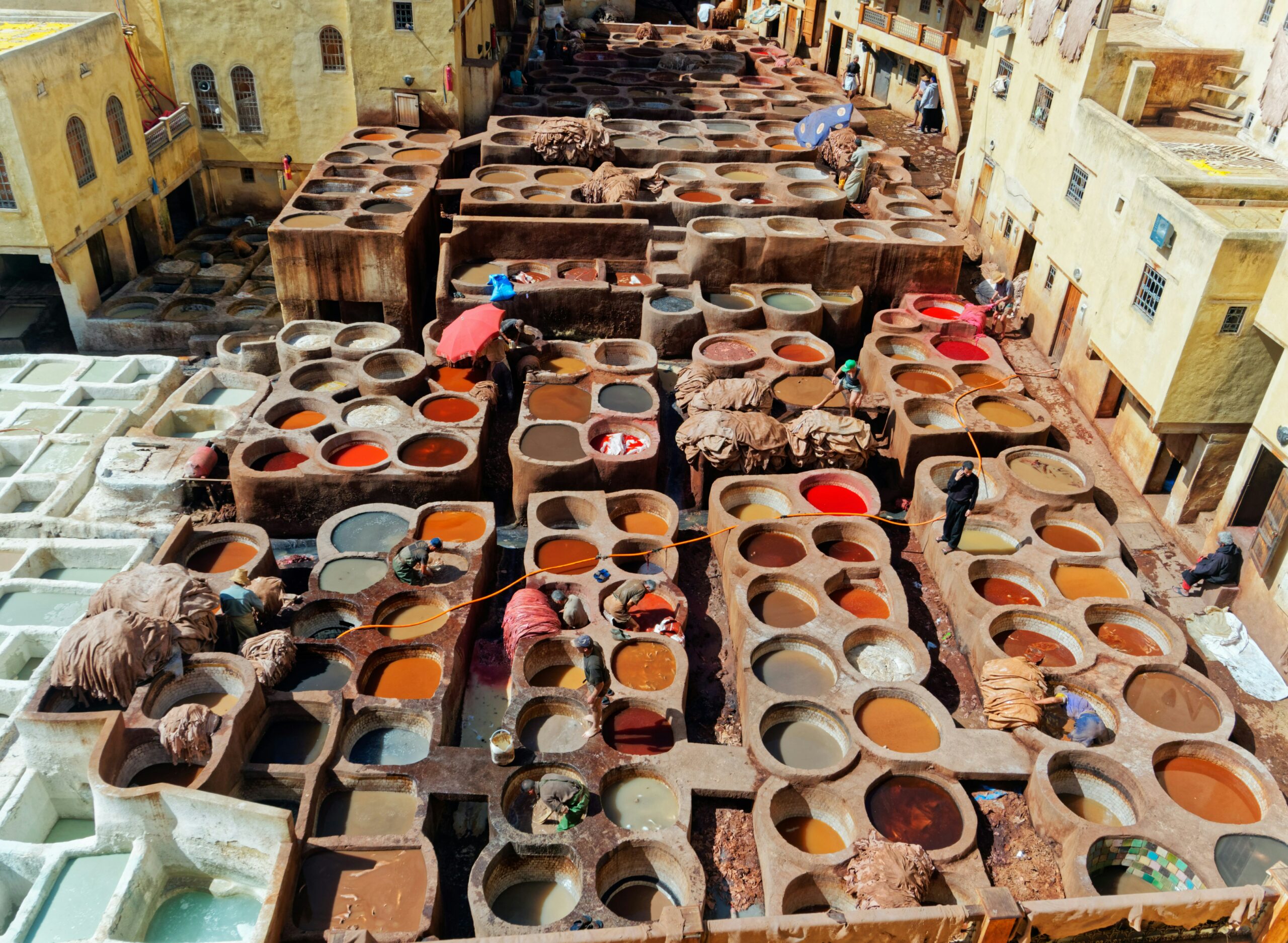
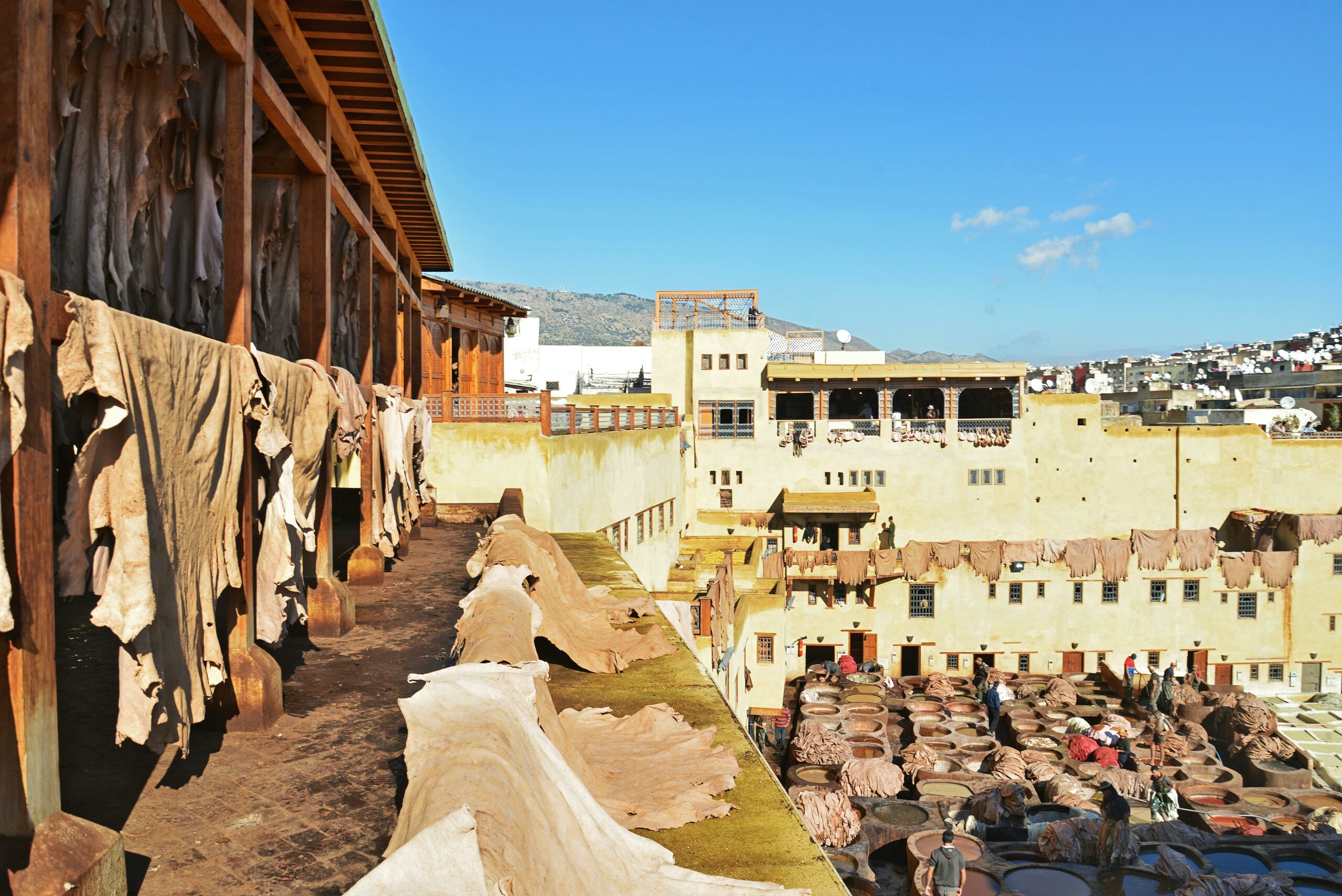
Walking through the narrow alleys of the medina, visitors can easily encounter small workshops where craftsmen dedicate hours to perfecting their work. Leatherworkers, woodcarvers, metal artisans, and ceramic makers all contribute to the vibrant atmosphere of the historic city. Among the most famous examples is the centuries-old tradition of leather production at Chouara Tannery. Here, workers use natural dyes and traditional methods that have remained largely unchanged since the Middle Ages. This historic tannery is considered one of the oldest leather tanning sites in the world and remains an important symbol of craftsmanship in Fes.
Another important craft in the city is zellige, the intricate mosaic tilework that decorates many Moroccan buildings. Skilled artisans carefully cut small pieces of colored tile and assemble them into complex geometric patterns. This technique has been used for centuries in mosques, madrasas, and palaces throughout Morocco. In Fes, visitors can sometimes observe craftsmen shaping these tiles by hand, continuing a tradition that requires years of training and remarkable precision.
Ceramic pottery is also deeply rooted in the history of the city. In workshops located on the edges of the medina, artisans create beautifully painted bowls, plates, and decorative objects using traditional kilns and hand-painting techniques. These ceramics are well known across Morocco and are often recognized by their distinctive blue designs, a style strongly associated with the artistic heritage of Fes.
For travelers seeking meaningful cultural experiences, exploring these traditional crafts offers valuable travel advice for visiting Morocco. Instead of only passing quickly through markets, visitors can take time to observe artisans at work and learn about the stories behind their creations. A knowledgeable local advisor can guide travelers to authentic workshops where these crafts are still practiced, helping them understand the deep connection between craftsmanship, history, and daily life in the medina.
Today, despite the influence of modern production, many artisans in Fes el-Bali continue to preserve these skills with pride. Their dedication ensures that the artistic traditions of Fes remain alive, allowing visitors to witness one of the richest craft cultures in Morocco.
Hidden Spiritual Corners and Historic Schools of Fes
Beyond the crowded markets and busy artisan workshops of Fes el-Bali, another important side of the city quietly shapes daily life: its spiritual and educational heritage. For centuries, Fes has been known as one of the most important religious and intellectual centers in Morocco. Many travelers visit the medina to explore its architecture and culture, but few fully understand how deeply learning and spirituality are connected to the identity of the city.
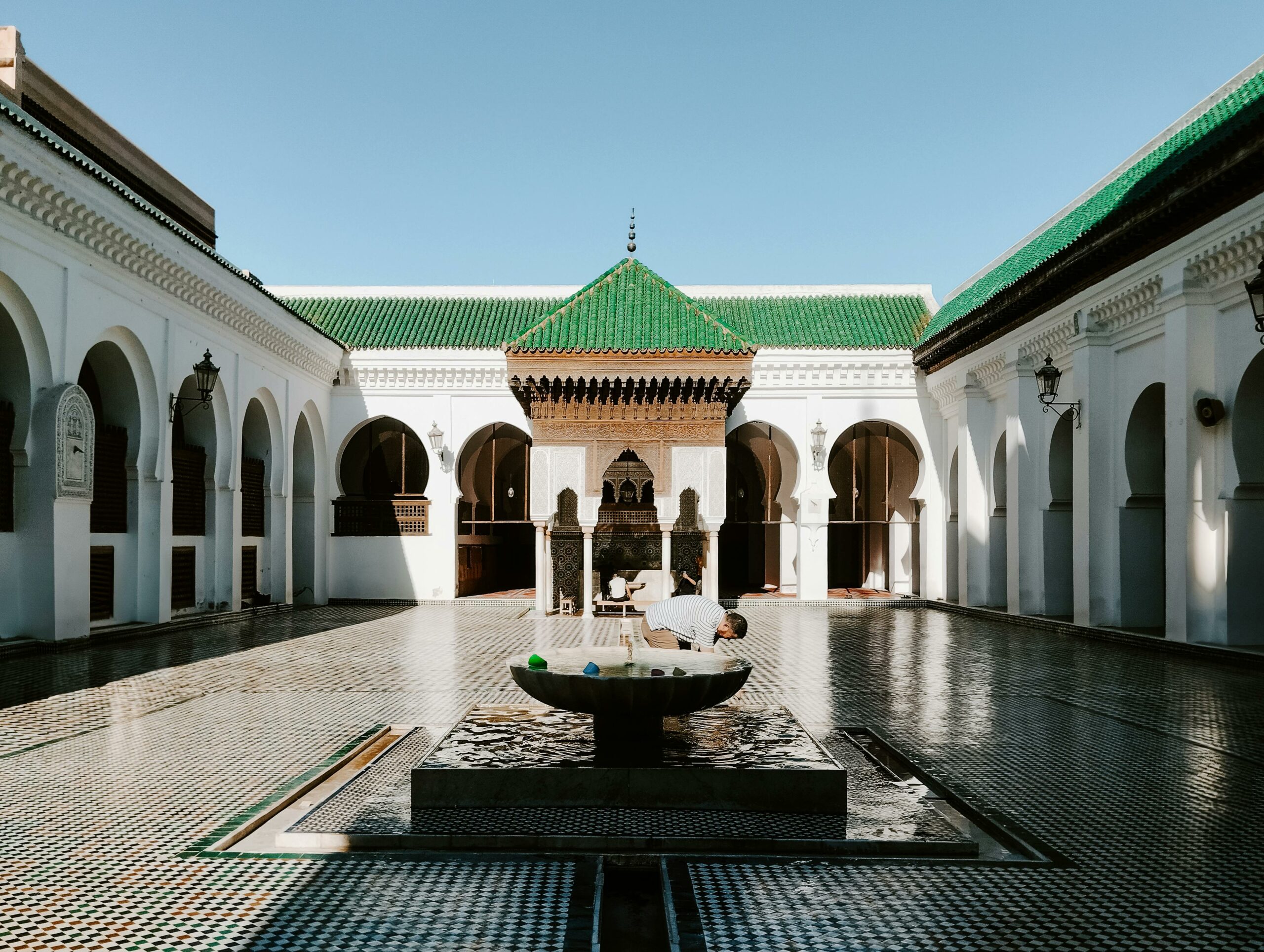
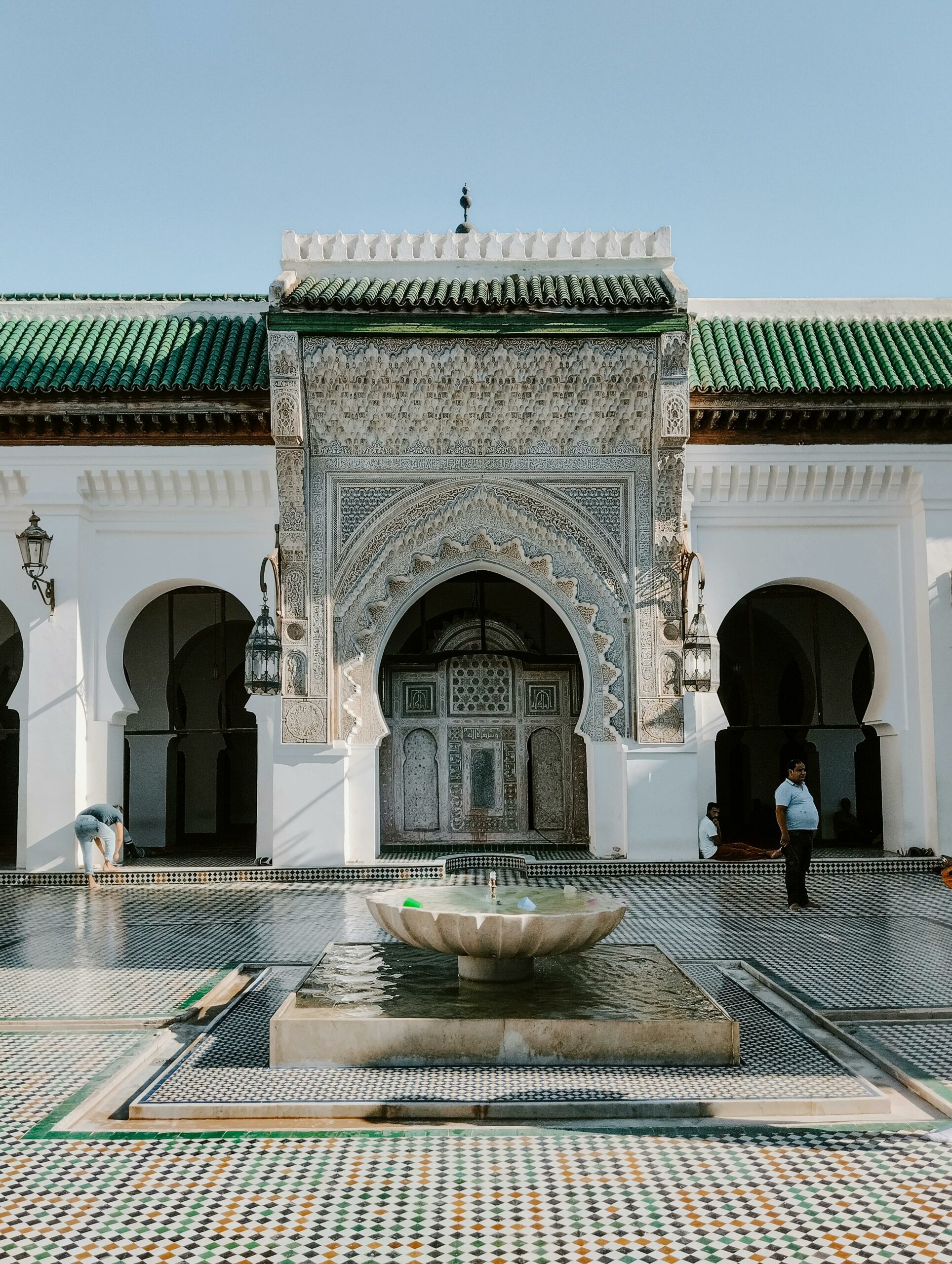
At the heart of this tradition stands Al Quaraouiyine University, founded in the year 859. It is widely recognized as the oldest continuously operating university in the world. For more than a thousand years, students from across Morocco, North Africa, and even parts of Europe traveled to Fes to study subjects such as theology, law, astronomy, and mathematics. The university remains an important symbol of knowledge and scholarship in the Islamic world.
Around the medina, visitors can also find historic madrasas—traditional Islamic schools that once hosted students who came to study at Al Quaraouiyine. One of the most beautiful examples is Al-Attarine Madrasa, built in the 14th century during the Marinid dynasty. Its interior is decorated with detailed zellige tilework, carved cedar wood, and elegant Arabic calligraphy, reflecting the artistic mastery of Moroccan craftsmen.
These spiritual spaces were not only centers of learning but also important parts of community life in Fes el-Bali. Students lived in small rooms around the courtyards, studying religious texts while participating in the daily rhythm of the medina. Even today, the echoes of this intellectual tradition remain visible in the architecture and cultural identity of Fes.
For travelers searching for meaningful travel advice about Morocco, exploring these historic schools and spiritual corners offers a deeper understanding of the city beyond its markets and monuments. A knowledgeable local advisor can help visitors appreciate the stories behind these institutions and understand why Fes has long been considered one of the most important cultural capitals of Morocco.
Discovering these quiet places reminds visitors that the medina of Fes el-Bali is not only a historic marketplace but also a center of knowledge, spirituality, and cultural heritage that has shaped Morocco for more than a millennium.
Discover the Hidden Corners of Fes
Step inside the ancient streets of Fes el-Bali and experience the true culture of Fes.
Explore historic landmarks, vibrant souks, and traditional artisan workshops with a knowledgeable local advisor.
The Hidden Community Life of Fes el-Bali
While many visitors come to Fes to explore historic monuments and colorful markets, the true character of the medina is shaped by the daily lives of the people who live there. Inside the walls of Fes el-Bali, thousands of residents continue to maintain a traditional way of life that has existed for generations. Unlike many historic districts around the world that have become purely tourist areas, the medina of Fes remains a vibrant living community.
Walking through its narrow streets, travelers can observe simple moments of everyday life that reveal the authentic spirit of Morocco. Neighbors greet each other in small squares, shopkeepers chat with long-time customers, and children walk through the alleys on their way to school. These interactions may seem ordinary, but they represent a strong sense of community that has long been an essential part of life in the medina.
Many families living in Fes el-Bali still reside in traditional houses known as riads or historic courtyard homes. From the outside, these homes often appear simple, with plain doors and modest walls. However, inside they reveal beautiful architectural details such as tiled courtyards, carved wooden ceilings, and peaceful interior gardens. This design reflects traditional Moroccan architecture, where privacy and tranquility are valued within the home.
Community traditions also play an important role in daily life. Local bakeries prepare bread for entire neighborhoods, and residents often bring homemade dough to communal ovens to be baked. Markets provide fresh vegetables, spices, and ingredients for traditional Moroccan cooking, creating a lively social environment where residents meet and exchange news.
For travelers looking for genuine travel advice in Morocco, observing this community life can be one of the most meaningful experiences in Fes. Rather than rushing from one landmark to another, taking time to watch daily life in the medina allows visitors to understand the culture more deeply. A knowledgeable local advisor can guide travelers respectfully through these neighborhoods and explain customs, etiquette, and traditions that might otherwise go unnoticed.
Ultimately, the community life inside Fes el-Bali is what gives the medina its unique atmosphere. Beyond the historic buildings and famous attractions, it is the people, their traditions, and their daily routines that continue to keep this ancient city alive.
Why Getting Lost in Fes el-Bali Is the Best Way to Discover Fes
One of the most fascinating aspects of visiting Fes is the experience of navigating the ancient maze of Fes el-Bali. The historic medina is often described as one of the largest and most complex car-free urban areas in the world, with thousands of narrow streets that twist and turn in unexpected directions. Unlike modern cities designed with clear grids and wide roads, the medina developed organically over centuries, creating a labyrinth that can easily confuse first-time visitors.
For travelers exploring Morocco, getting lost in the medina can actually become one of the most memorable experiences. Around every corner, visitors might discover hidden courtyards, small neighborhood mosques, artisan workshops, or vibrant local markets filled with spices, textiles, and handmade crafts.
These unexpected discoveries reveal the authentic character of Fes and allow visitors to experience the city beyond the typical tourist routes.
However, exploring the medina without preparation can sometimes feel overwhelming. With thousands of alleys and passages, even experienced travelers may struggle to navigate the city efficiently. This is why many travel experts recommend seeking reliable travel advice when visiting Morocco. A knowledgeable local advisor or guide can help visitors understand the structure of the medina, avoid confusion, and discover important landmarks that might otherwise remain hidden.
With the guidance of a knowledgeable local advisor, travelers can fully appreciate the rich history, culture, and traditions that make Fes one of the most fascinating destinations in Morocco
Discovering the Iconic Landmarks That Define Fes
Beyond its hidden streets and everyday community life, Fes is also home to some of the most important historical landmarks in Morocco. These monuments reflect the city’s long history as a center of learning, spirituality, and craftsmanship. Exploring them allows visitors to better understand why Fes has been considered one of Morocco’s cultural capitals for more than a thousand years.
One of the most significant sites in the medina is Al Quaraouiyine University, founded in the 9th century and widely recognized as the oldest continuously operating university in the world. For centuries, scholars traveled to Fes to study theology, science, mathematics, and philosophy within its historic walls.
Another remarkable monument is Bou Inania Madrasa, one of the finest examples of Marinid architecture in Morocco. Its intricate zellige tilework, carved cedar wood, and detailed calligraphy demonstrate the extraordinary craftsmanship that has defined the artistic heritage of Fes for generations.
Visitors entering the medina are also welcomed by the famous Bab Boujloud, often called the Blue Gate. This iconic entrance marks the beginning of the vibrant souks where travelers can explore traditional markets filled with spices, textiles, ceramics, and handcrafted goods.
For travelers seeking meaningful travel advice for Morocco, visiting these landmarks with a knowledgeable advisor provides valuable context about their history and cultural significance. Understanding the stories behind these places transforms a simple visit into a deeper cultural experience and reveals the remarkable heritage that continues to shape the identity of Fes.
Exploring the hidden life of Fes el-Bali shows that this historic medina is much more than a collection of monuments. Behind its ancient walls, daily life continues through traditional crafts, local markets, and communities that have preserved their culture for generations. These living traditions are what make Fes one of the most fascinating cultural destinations in Morocco.
For travelers looking for meaningful experiences, discovering the deeper side of the medina can transform a simple visit into an unforgettable journey. With the right travel advice and the help of a knowledgeable local advisor, exploring the maze of streets in Fes el-Bali becomes an opportunity to truly understand the history, culture, and everyday life that define this remarkable Moroccan city.
What are the must-see places during a Fes city tour?
A typical visit to Fes includes exploring the historic medina of Fes el-Bali and discovering its most important landmarks. Visitors usually stop at famous sites such as Al Quaraouiyine University, founded in 859 and considered the oldest continuously operating university in the world. Another highlight is Bou Inania Madrasa, known for its impressive Moroccan architecture and intricate tilework. Most tours also pass through the famous Bab Boujloud gate, the main entrance to the medina. These landmarks reflect the cultural and historical importance of Fes and are essential stops for travelers visiting Morocco.
How long does a full-day Fes city tour usually take?
A full-day tour of Fes generally lasts between 5 and 8 hours, depending on the itinerary and number of stops. During this time, visitors explore both the historic medina and important sites outside the old city, such as viewpoints overlooking the rooftops of Fes el-Bali. Many tours combine walking through the narrow streets with short vehicle transfers to reach locations like forts or panoramic viewpoints. This type of tour allows travelers to fully experience the culture, architecture, and artisan traditions that make Fes one of the most fascinating destinations in Morocco.
Can visitors explore the medina of Fes without a guide?
It is possible to explore Fes el-Bali independently, but many travelers find it challenging because the medina contains thousands of narrow streets and alleyways. The historic city developed organically over centuries, creating a complex maze that can easily confuse first-time visitors. For this reason, many travelers prefer to follow travel advice from a knowledgeable local advisor or guide who can help them navigate the medina and discover important landmarks, hidden workshops, and traditional markets that are often difficult to find alone.
What traditional crafts can visitors see during a Fes city tour?
One of the most memorable experiences in Fes is discovering the traditional crafts that have been practiced for centuries. Visitors often stop in artisan districts where craftsmen produce pottery, metalwork, and intricate mosaic tiles known as zellige. A highlight for many travelers is visiting the famous Chouara Tannery, where leather has been processed using traditional techniques for hundreds of years. These workshops allow visitors to observe artisans at work and understand the craftsmanship that has shaped the cultural heritage of Morocco.
Why is the medina of Fes a UNESCO World Heritage Site?
Fes el-Bali was recognized as a UNESCO World Heritage Site because it is one of the best-preserved historic cities in the Islamic world. Founded in the 9th century, the medina contains thousands of historic buildings, including mosques, madrasas, fountains, and traditional markets. Unlike many historic districts that have modernized over time, the medina of Fes still preserves its original urban structure and traditional way of life. This unique combination of history, architecture, and living culture makes the city one of the most important heritage sites in Morocco.
Is a guided tour the best way to discover Fes?
For many travelers visiting Morocco, a guided tour is the best way to fully experience Fes. A knowledgeable local advisor can explain the history of the medina, introduce visitors to traditional artisan workshops, and guide them through important landmarks that might otherwise be overlooked. Guided tours also help visitors better understand Moroccan culture, architecture, and traditions while navigating the complex streets of Fes el-Bali.