
Hassan II Mosque Casablanca: History, Architecture & Visitor Tips
Rising from the Atlantic mist like a titan of glass and stone, the Hassan II Mosque is more than just Casablanca’s most iconic landmark, it is the very soul of Morocco rendered in marble. Imagine a minaret so tall it pierces the clouds at 210 meters, casting a laser beam toward Mecca that cuts through the night sky, while the rhythmic thunder of the ocean waves serves as a constant, living prayer beneath its floors. This is the “Throne upon the Water,” a breathtaking fusion of 12th-century Moorish tradition and space-age engineering that demands a place at the top of every traveler’s itinerary.
Navigating a monument of this scale requires more than just a map; it requires the right advice to truly appreciate the 10,000 artisans who carved its cedar ceilings and laid its intricate zellige tiles by hand. As your trusted advisor, we’ve designed this ultimate guide to take you beyond the postcards. Whether you’re marveling at the giant retractable roof that opens the sanctuary to the heavens or descending into the subterranean marble fountains, we provide the essential cultural context and practical tips to ensure your visit is seamless.
Prepare to step into a space where the salt air meets the scent of sandalwood, and where the grandeur of Moroccan history is written in every archway. Welcome to the definitive guide to the Hassan II Mosque—your journey into the heart of Casablanca starts here.
The Visionary Masterpiece: The History and Symbolism of Hassan II Mosque
The spectacular Hassan II Mosque is one of Morocco’s most important landmarks. Rising above the Atlantic Ocean in Casablanca, it represents a powerful blend of faith, culture, and architectural excellence. For travelers following advice from a trusted Morocco Advisor, understanding its story makes the visit far more meaningful.
A Royal Vision The mosque was commissioned by King Hassan II and completed in 1993 to celebrate his 60th birthday. The goal was to create a grand mosque that highlighted Morocco’s traditional craftsmanship while symbolizing the country’s modern ambitions.
Key facts include:
- Designed by architect Michel Pinseau.
- Built by over 10,000 Moroccan artisans.
- Space for 25,000 worshippers inside and 80,000 in the courtyard.
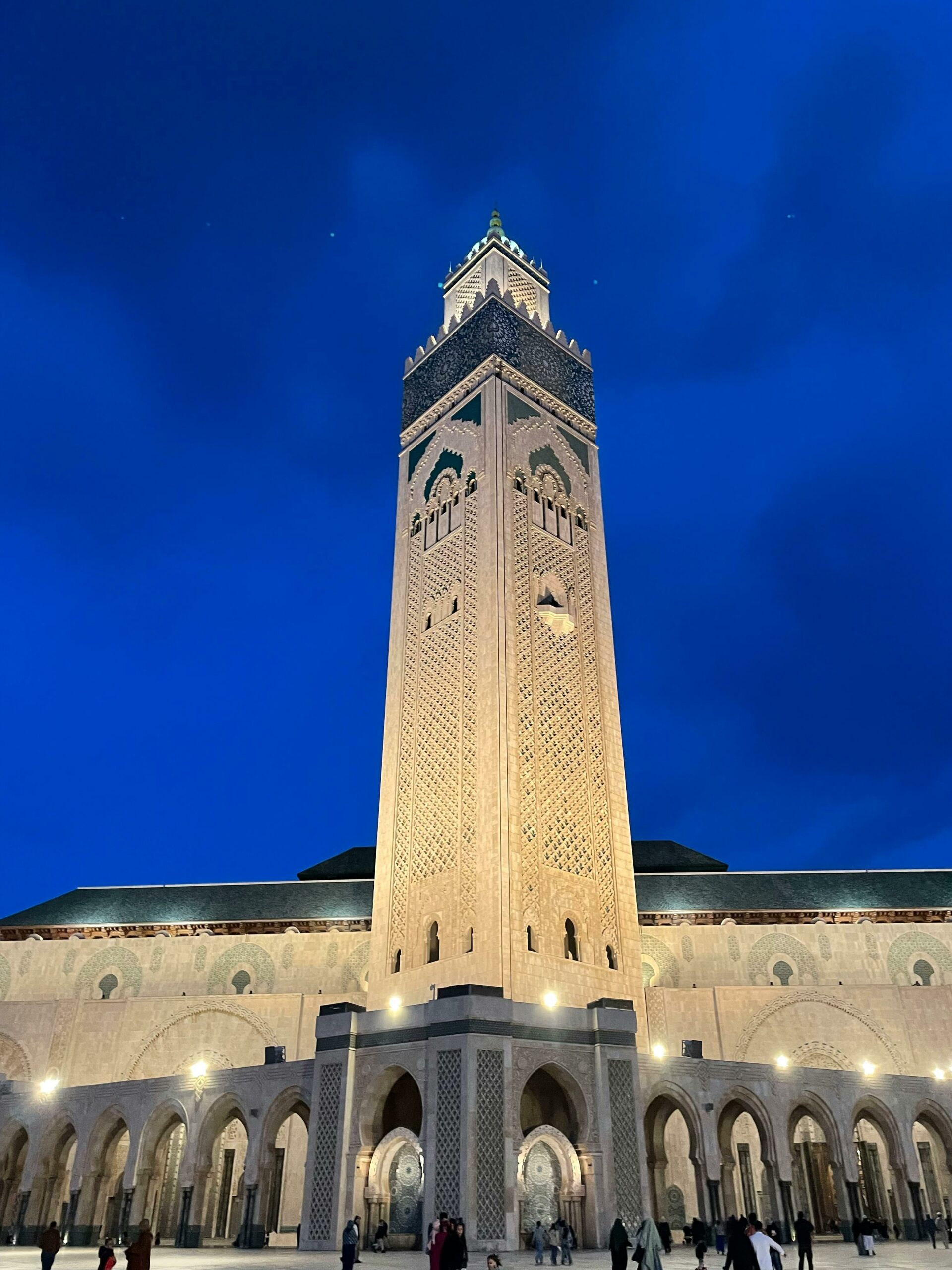
- A 210-meter minaret, the tallest in Morocco and a landmark of African architecture.
Built Above the Ocean One of the mosque’s most unique features is its location partly over the Atlantic Ocean, inspired by a Quranic verse describing God’s throne upon water. This design reflects the deep connection between faith and nature in Morocco.
Advisor tip: Visit the seaside promenade at sunset for the best views and photos.
Architectural Wonders: A Deep Dive into Moroccan Craftsmanship and Design
The breathtaking design of the Hassan II Mosque is a true celebration of Moroccan craftsmanship. Beyond its impressive size, the mosque stands out for the extraordinary detail and artistry that reflect centuries of Moroccan architectural tradition. For visitors exploring Casablanca, this is where the real magic lies.
Traditional Craftsmanship on a Grand Scale
During construction, thousands of Moroccan artisans worked together to create intricate decorative elements using traditional techniques passed down for generations. Under the vision of King Hassan II and architect Michel Pinseau, the mosque became a masterpiece that combines heritage with modern engineering.
Inside and outside the mosque, you’ll notice several distinctive Moroccan design elements:
- Zellige tilework: Colorful geometric mosaics covering walls, fountains, and columns.
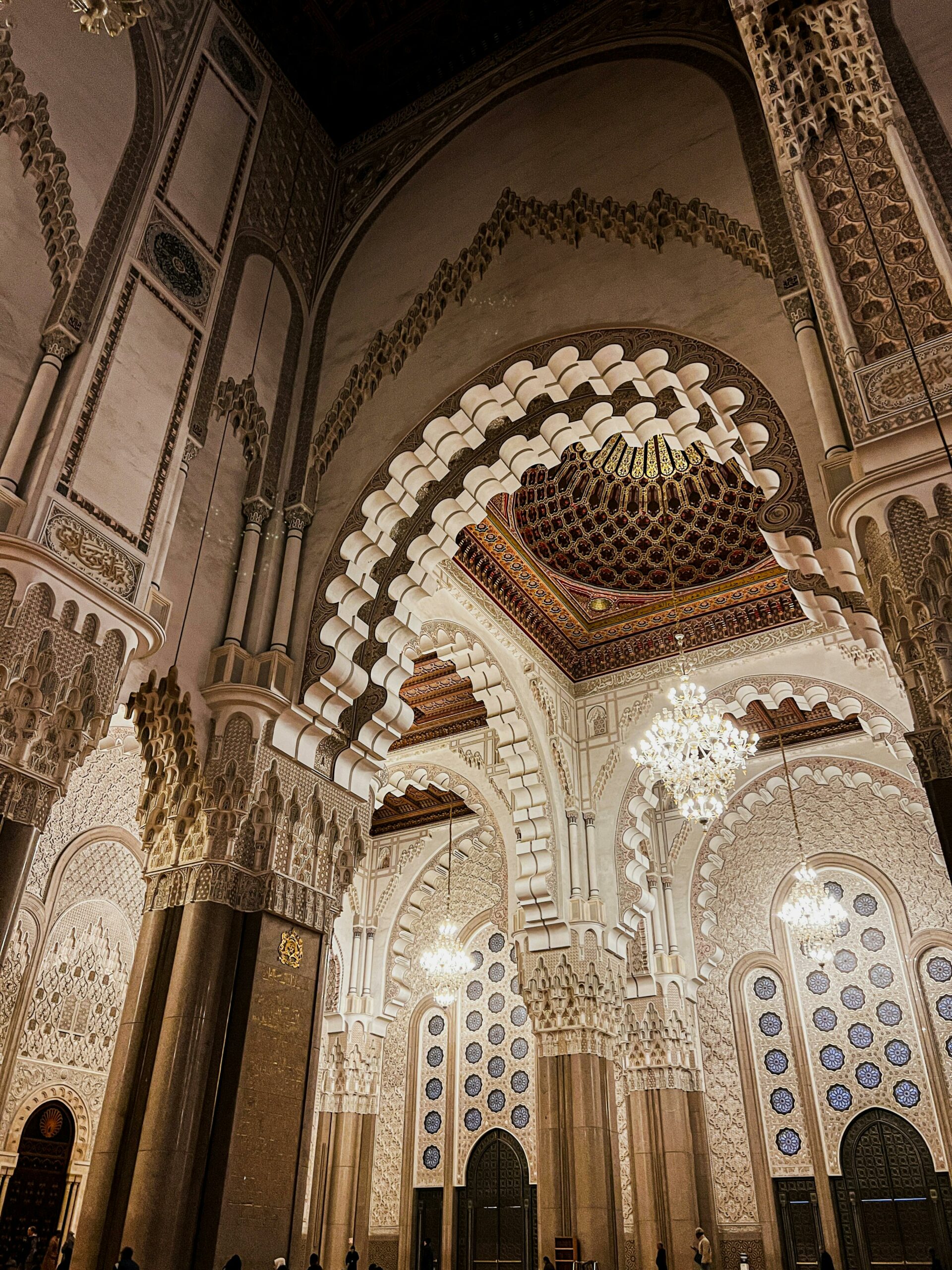
- Hand-carved cedar wood ceilings: Detailed carvings created by skilled artisans from the Atlas Mountains.
- Intricate plasterwork (gebs): Delicate patterns decorating arches and walls.
- Marble floors and columns: Imported and polished to reflect natural light beautifully.
Remarkable Architectural Features
The mosque also includes impressive structural innovations that make it unique among Islamic landmarks.
Some of the most fascinating features include:
- A retractable roof that can open during special occasions and prayers.
- A glass floor section allowing visitors to see the Atlantic Ocean beneath part of the building.
- The 210-meter minaret, the tallest mosque tower in the world.
Advisor tip: When visiting, take time to look up. Many travelers focus on the floors and walls, but some of the mosque’s most beautiful details are hidden in the carved ceilings and chandeliers.
Engineering Marvels: The Retractable Roof and the Mosque Built on the Atlantic
The Hassan II Mosque is not only a masterpiece of Moroccan craftsmanship but also an impressive feat of modern engineering. Built along the Atlantic coast in Casablanca, the mosque combines traditional design with advanced technology, something every Morocco Advisor often highlights when giving travel advice about this iconic landmark.
The Retractable Roof One of the mosque’s most remarkable features is its massive retractable roof. Designed to open and close depending on weather and prayer needs, it allows natural light and fresh ocean air to enter the prayer hall.
Key details about this engineering feature include:
- The roof can slide open in just a few minutes.
- It helps regulate temperature inside the mosque.
- During special occasions, worshippers can pray under the open sky.
Built Over the Atlantic Ocean Another engineering wonder is the mosque’s dramatic location partly above the Atlantic Ocean. The structure extends over the water on a specially designed platform, creating one of the most spectacular mosque settings in the world.
This design was inspired by a Quranic verse describing God’s throne upon water, giving the mosque both symbolic and architectural significance. Visitors will notice several impressive elements:
- Ocean waves crashing beneath the mosque’s foundations.
- Viewing platforms along the seaside promenade.
- Architectural glass flooring (located in the Royal area) that symbolizes the connection to the sea below.
Advisor tip: Walk around the outer terraces and the corniche area for the best ocean views and photo opportunities.
Visitor Advisor: Essential Tips on Entry Tickets, Dress Code, and Guided Tours
Visiting the spectacular Hassan II Mosque is one of the top experiences in Casablanca. As one of the few mosques in Morocco open to non-Muslim visitors, it offers a rare opportunity to explore Islamic architecture from the inside. However, knowing a few practical tips in advance can make your visit smoother and more enjoyable.
→ Entry Tickets and Visiting Hours
Access to the mosque’s interior is available only through guided tours, which run several times per day. Tickets are sold at the mosque entrance and prices may vary depending on the season.
Helpful advice for visitors:
- Arrive at least 30 minutes early to secure your spot on a tour.
- Tours are typically offered in multiple languages, including English and French.
- Morning tours are usually less crowded, giving you a better experience.
→ Dress Code Guidelines
Since the mosque is an active place of worship, visitors are expected to dress respectfully.
Recommended dress advice includes:
- Wear clothing that covers shoulders and knees.
- Avoid shorts, sleeveless tops, or overly revealing outfits.
- Comfortable shoes are recommended because the tour involves walking through large areas.
Unlike some mosques, women do not need to cover their hair, but modest clothing is still expected.
→ Guided Tour Experience
The guided tours provide fascinating insights into the history, architecture, and engineering of the mosque, including its connection to King Hassan II, who commissioned this monumental project.
During the tour, visitors can explore:
- The vast prayer hall with its intricate decorations
- The ablution area and traditional hammam spaces
- Detailed Moroccan craftsmanship and architectural features
Morocco advisor tip: Don’t rush out after the tour ends. Walk around the outside terraces of the Hassan II Mosque for stunning ocean views and some of the best photo spots in Casablanca.
The Magic of Morocco is Calling. Are You Ready?
From the Hassan II Mosque to the Sahara dunes, enjoy the ultimate journey with private transport, hand-picked Riads, and expert local guides.
“Don’t just see Morocco. Live it.”
A Spiritual Journey: What to Expect During Your Visit
A visit to the Hassan II Mosque is not just about admiring architecture, it’s also a spiritual and cultural experience. As one of the few mosques in Morocco open to non-Muslim visitors, it offers a rare opportunity to explore sacred spaces while learning about Islamic traditions in Casablanca. Any experienced Morocco advisor will tell you that understanding what happens inside the mosque makes the visit far more meaningful.
→ The Majestic Prayer Hall
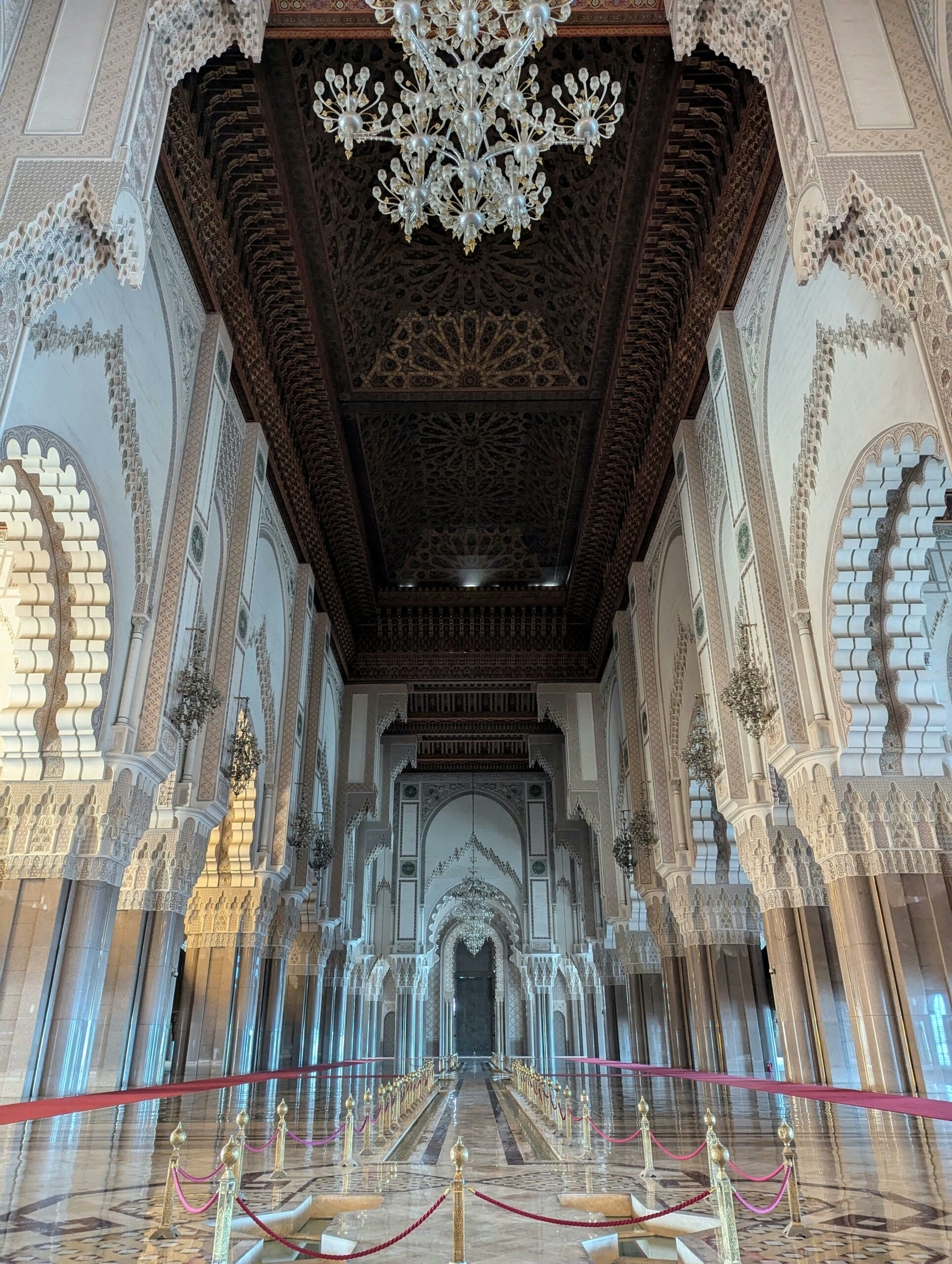
The prayer hall is the heart of the mosque. When you step inside, the sheer scale and beauty are immediately striking. The hall can accommodate around 25,000 worshippers, creating a powerful sense of unity during prayer times.
Inside the prayer hall, visitors will notice:
- Hand-carved cedar wood ceilings with intricate Moroccan designs
- Beautiful zellige tile mosaics covering the walls and columns
- Massive marble floors and pillars reflecting natural light
- Elegant chandeliers that enhance the peaceful atmosphere
The hall was built under the vision of King Hassan II to showcase the richness of Moroccan craftsmanship while creating a grand place of worship.
Advisor tip: Take a moment to look upward. The carved ceilings and decorative details are some of the most impressive parts of the mosque, yet many visitors overlook them.
→ The Ablution Room
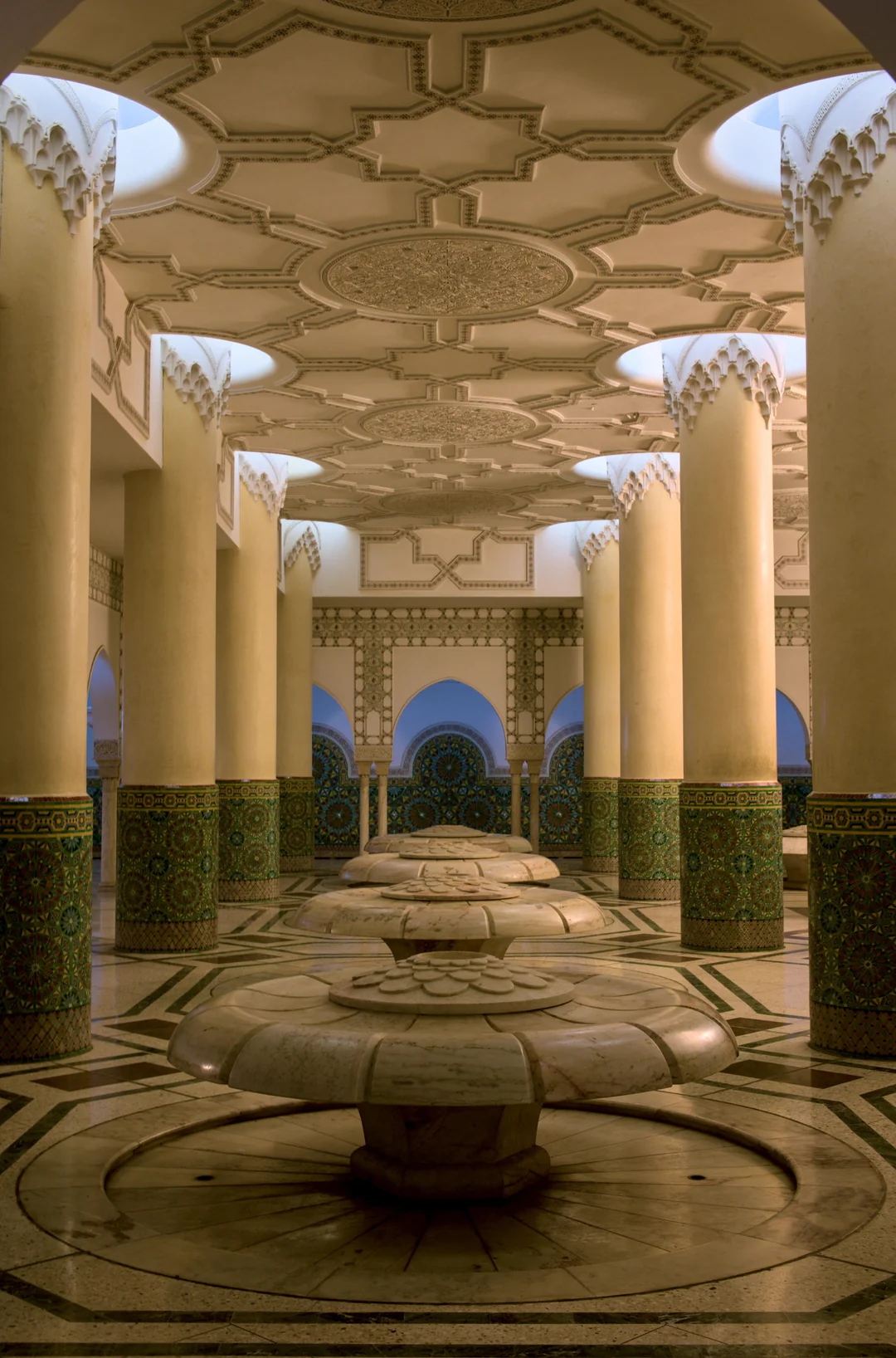
Before entering the prayer area, Muslim worshippers perform ablution (wudu), a ritual cleansing that symbolizes spiritual purity. The mosque’s ablution room is therefore an important and beautifully designed part of the complex.
During your guided tour, you may see:
- Large marble fountains used for ritual washing
- Symmetrical rows of washing stations
- Elegant tilework and arches reflecting traditional Moroccan design
The space feels calm and almost spa-like, combining spiritual function with architectural beauty.
Morocco advisor advice: Even if you’re mainly interested in architecture, don’t skip the ablution room during the tour. Many visitors say it’s one of the most surprisingly beautiful spaces inside the Hassan II Mosque.
By exploring both the prayer hall and the ablution areas, visitors gain a deeper understanding of the spiritual traditions and cultural heritage that make this mosque one of Morocco’s most unforgettable landmarks.
Best Photography Spots at Hassan II Mosque
The stunning location of the Hassan II Mosque makes it one of the most photogenic landmarks in Morocco. Overlooking the Atlantic Ocean in Casablanca, the mosque offers incredible photo opportunities from almost every angle. With the right timing and a few helpful tips from a Morocco advisor, you can capture truly memorable shots.
→ Best Photography Spots
The mosque’s dramatic setting provides several excellent viewpoints for photography. Whether you’re using a professional camera or a smartphone, these locations offer some of the best angles:
- The seaside promenade: Perfect for wide shots of the mosque with the ocean in the background.
- The main square in front of the mosque: Ideal for capturing the full height of the towering minaret.
- Ocean-side platforms: Great for photos showing waves crashing against the mosque’s foundations.
- The Corniche walkway: Offers scenic views of the mosque from a distance.
Advisor tip: Visit early in the morning or around sunset. The softer light enhances the colors of the mosque’s stone and creates beautiful reflections on the ocean.
→ Exploring the Casablanca Corniche
After visiting the mosque, take some time to explore the nearby Casablanca Corniche. This lively coastal area is one of the city’s most popular spots for walking, relaxing, and enjoying ocean views.
Things to enjoy around the Corniche include:
- Scenic walking paths along the Atlantic coast
- Local cafés and restaurants with ocean views
- Open spaces perfect for relaxing after your mosque tour
Many Morocco advisor guides recommend combining a mosque visit with a walk along the Corniche. It’s a great way to experience another side of Casablanca, where modern city life meets the beauty of the Atlantic coast.
With the mosque’s breathtaking architecture and the vibrant atmosphere of the Corniche, this area offers some of the most memorable photography and sightseeing opportunities in Casablanca.
As the Atlantic mist rolls over the esplanade, it becomes clear that the Hassan II Mosque is not just a destination; it is a profound testament to the enduring spirit of Morocco. It stands as a bridge between the ancient traditions of the Atlas artisans and the bold, forward-thinking vision of modern Casablanca. Whether you are moved by the spiritual resonance of the prayer hall, the mechanical genius of the retractable roof, or the simple beauty of a sunset over the minaret, this landmark offers a perspective on the Kingdom that you simply cannot find elsewhere.
Navigating such a monumental site can be overwhelming, but with the right advice, your visit transforms from a simple tour into a lifelong memory. As your dedicated Morocco Advisor, we encourage you to take your time, respect the local customs, and let the “Throne upon the Water” reveal its secrets to you slowly. Casablanca is waiting—and its crown jewel is ready to welcome you.
Can non-Muslims visit the Hassan II Mosque?
Absolutely. It is one of the few active mosques in Morocco that opens its doors to the public, though access is strictly regulated. You cannot simply wander in for a solo stroll; entry is only permitted via official guided tours held outside of prayer times. As your Morocco Advisor, I recommend arriving at the ticket office at least 30 minutes before your desired slot, as queues for the mosque-run tours can get quite long, especially during peak season. To guarantee a seamless experience and bypass the logistical headaches, we advise booking a premium experience through a local advisor who can handle the ticketing and provide deeper historical context.
What is the required dress code for visitors?
Respect and modesty are the golden rules here. Both men and women must ensure their shoulders and knees are fully covered—this means no tank tops, shorts, or mini-skirts. While women are not strictly required to wear a headscarf for the guided tour, many find that bringing a light pashmina is a thoughtful gesture of respect. A pro advisor tip: you will be asked to remove your shoes and carry them in a provided bag, so we highly advise wearing a clean, comfortable pair of socks. The marble floors are stunning but can feel quite chilly underfoot!
Are photos and videos allowed inside?
You are in luck—photography is permitted and highly encouraged! The prayer hall is an architectural dream, and you’ll want to capture the way the light filters through the Zellij windows. However, please note that professional video recording and the use of tripods are generally prohibited to maintain the sanctity of the space. Ask your advisor to point out the “secret” angles where the symmetrical carvings of the cedar wood ceilings perfectly align with the marble floor reflections for that iconic shot.
How long should I set aside for a visit?
While the official guided tour lasts approximately 45 minutes, a rushed visit does this landmark a disservice. We advise blocking out at least 2.5 to 3 hours on your itinerary. This gives you ample time to explore the underground ablution rooms (which look like something out of a film set), visit the onsite museum for a deeper look at the craftsmanship, and enjoy a leisurely walk along the Atlantic promenade. The sheer scale of the courtyard alone deserves a slow walk to truly appreciate the 105,000-person capacity.